A bonnet can look like one of the easier panels to apply paint protection film to.
Sometimes it is.
If the bonnet is fairly flat and the shape is simple, the film can usually be fitted in a more straightforward way.
But once you add bonnet vents, raised shapes, scoops, tight edges and high-tension areas, the job changes.
That is when PPF becomes less about just laying film on paint and more about understanding the shape of the panel.
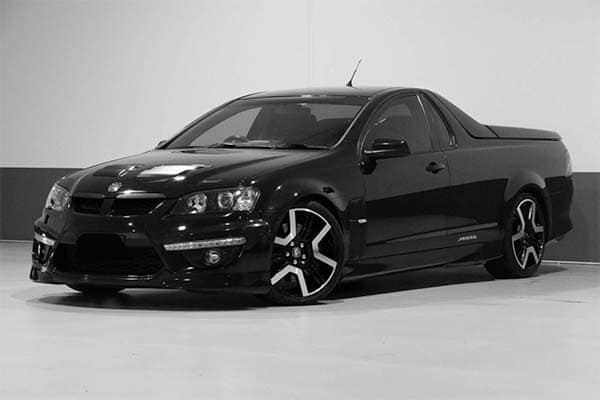
This HSV bonnet is a good example of that.
HSV Bonnet Vent PPF Cutting Perth
HSV bonnets can have vents, raised sections and shapes that make the paint protection film installation more involved.
The film has to stretch and sit around the panel properly.
It also has to be cut neatly around the bonnet vent areas without making the finish look rough or forced.
That is the important part.
A poor cut around a vent can stand out straight away.
A poor stretch can create tension in the film and cause issues later.
So the job needs to be done with some thought.
Flat Bonnets Are Different To Vented Bonnets
A flat bonnet is usually easier because the film has fewer shapes to fight against.
There is still preparation, alignment, tension control and edge work involved, but the panel itself is more forgiving.
A vented bonnet is different.
The film has to work around openings, raised areas and changes in direction.
Those shapes can create tension in the film if it is not handled properly.
If the film is pulled too hard in one area, it can affect how it sits somewhere else.
That is why vented bonnets need more care than people may realise.
Why Film Tension Is Important
Film tension is one of the main things to watch on a bonnet with vents.
PPF needs to sit naturally on the panel as much as possible.
If the film is overstretched around a vent or tight shape, it can try to pull back later.
That can lead to lifting, edge movement, distortion or a finish that does not look as clean as it should.
The aim is not to force the film into place.
The aim is to control the film so it works with the shape of the bonnet.
That is why the installer’s judgement becomes important.
Bonnet Vent Cut-Outs
Cutting around bonnet vents needs to be done carefully.
The edge needs to look clean.
The film needs to sit safely around the opening.
The cut should not look jagged, rushed or uneven.
At the same time, the paint underneath needs to be protected from careless blade work.
That is why I do not treat vent cutting like a quick trim job.
You need to know where the film should finish and how the cut will look once the job is complete.
Blade Work Needs Care
Any time a blade is used near paint, care is important.
On a bonnet vent, the installer may need to trim the film around a shape or opening.
That needs to be done with the right pressure, the right angle and the right control.
The goal is to cut the film, not mark the paint.
This is one of the reasons PPF is a skill-based service.
It is not just the cost of the film.
It is the experience behind how that film is fitted and finished.
Why High-Tension Areas Can Cause Problems
High-tension areas are where the film is under more stress.
On a bonnet with vents or raised shapes, those areas can appear around curves, edges and openings.
If the film is stretched too much or forced into the wrong position, it may look fine at first but cause problems later.
Edges can lift.
The film can move.
Stretch marks can become more visible.
The finish may not stay as clean as it should.
That is why controlling tension during the install is so important.
PPF Is Not Just A Sticker
Paint protection film can look simple from the outside.
A customer may only see a clear piece of film on the bonnet.
But the work behind it is more involved.
The bonnet has to be cleaned properly.
The film has to be positioned.
The slip solution and tack need to be controlled.
The film has to be moved without creating unnecessary tension.
The vents and edges need to be finished neatly.
That is why I do not like people thinking of PPF as just a sticker.
Why Preparation Is Important
Before any film goes onto the bonnet, the paint needs to be clean.
Dirt, wax, polish residue, oils and contamination can all affect the installation.
If the bonnet has scratches, swirl marks or paint defects, those may still be visible under the film.
PPF protects the paint going forward, but it does not magically correct the surface underneath.
That is why preparation is important before the film is applied.
On some cars, the bonnet may need paint correction before PPF makes sense.
For surface preparation, see Paint Correction Perth.
Why HSV Bonnet Shapes Need Care
HSV bonnets can have more shape than a normal flat bonnet.
Vents, raised sections and performance styling all add to the look of the car, but they also make film installation more demanding.
The installer needs to think about where the film will sit, where the tension will build and where the edges should finish.
That is the difference between simply covering a panel and actually fitting the film properly.
On a bonnet like this, the small details are important because the vent area is easy to see.
Clean Edges Around The Vents
The edge around a bonnet vent is one of the first places people will notice if the job is rough.
If the film is cut unevenly, it can look messy.
If the film finishes in the wrong place, it can collect dirt or become more visible than it needs to be.
If the film is stretched too tightly, it may not sit naturally around the opening.
A clean edge does not happen by accident.
It comes from slowing down and doing the cut properly.
Why Some Jobs Take Longer Than Expected
Customers sometimes wonder why one bonnet takes longer than another.
This is why.
A simple bonnet and a vented HSV bonnet are not always the same job.
The extra shapes and cut-outs add time.
The film needs to be controlled more carefully.
The edges need more attention.
The installer needs to check the finish from different angles.
That extra time is part of getting the job right.
Removing Old Product Wording
This older AutoFX WA page originally mentioned older film branding that is no longer the current AutoFX WA direction.
The important message today is not the old film name.
The important message is the process.
Bonnet vents, high-tension areas and custom cutting need care, regardless of the old product wording used at the time.
The current focus is the service itself: careful paint protection film installation with clean edges and realistic expectations.
What PPF Can Help With
PPF on a bonnet can help protect the paint from stone chips, bugs, road grime, light abrasion and general front-end exposure.
On a performance car or HSV, that can make sense because the bonnet is a large, visible panel.
Film gives the paint a sacrificial layer.
It does not make the bonnet impossible to damage.
A hard enough impact can still mark or damage the film.
But it gives the paint a better chance than leaving it completely exposed.
PPF And Ceramic Coating Are Different
Paint protection film and ceramic coating do different jobs.
PPF is a physical film layer that helps with stone chips, road rash, light abrasion and contact marks.
Ceramic coating is used for gloss, slickness, water behaviour and easier washing.
On a bonnet with vents, PPF is the option that gives the paint physical protection.
Ceramic coating can still be useful for maintenance, but it is not the same as film.
For current film services, see Paint Protection Film Perth.
Why This HSV Bonnet Page Is Worth Keeping
This page is worth keeping because it shows a small but important part of PPF work.
Not every panel is flat.
Not every bonnet is simple.
Vents, shapes and high-tension areas can change the whole job.
That is useful for customers to understand because it explains why PPF installation is not only about the size of the panel.
The shape of the panel is just as important as the coverage.
AutoFX WA Paint Protection Film Perth
AutoFX WA installs paint protection film for bonnets, bumpers, guards, mirrors, headlights, doors, sills and selected high-impact areas.
The right coverage depends on the vehicle and how it will be used.
Some bonnets are simple.
Some, like vented HSV bonnets, need more attention because of the shapes and cut-outs.
The aim is to protect the paint in a way that suits the panel and the vehicle.
Related AutoFX WA Services
For vehicle protection and surface preparation, AutoFX WA offers Paint Protection Film Perth for physical film protection, Ceramic Coating Perth for gloss and easier maintenance, Paint Correction Perth for paint preparation before film or coating, and Car Detailing Perth for cleaning and maintenance.
Final Thoughts
A bonnet with vents is not the same as a flat bonnet when it comes to PPF.
The film has to be controlled around shapes, openings and high-tension areas.
The vent cut-outs need to be handled carefully so the finish looks clean and the film does not sit under unnecessary stress.
That is the important part of this HSV bonnet job.
It is not just about covering the paint.
It is about understanding the shape of the bonnet, controlling the film and finishing the vent areas properly.