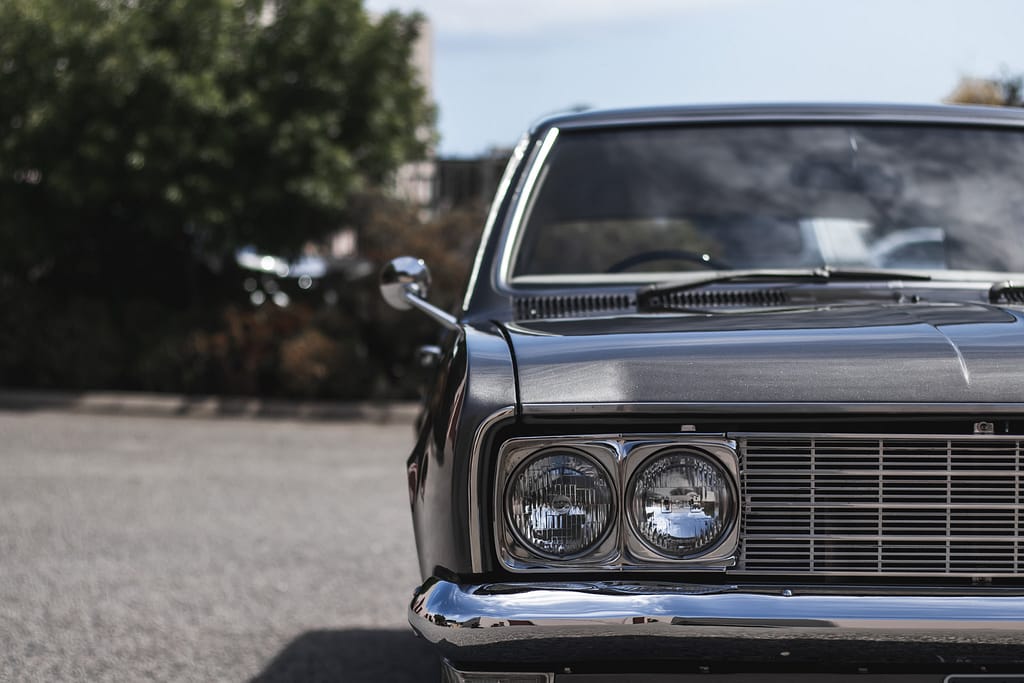
Not every vehicle requires the same level of paint correction.
Some jobs are straightforward, while others require a much more measured approach to achieve the right result.
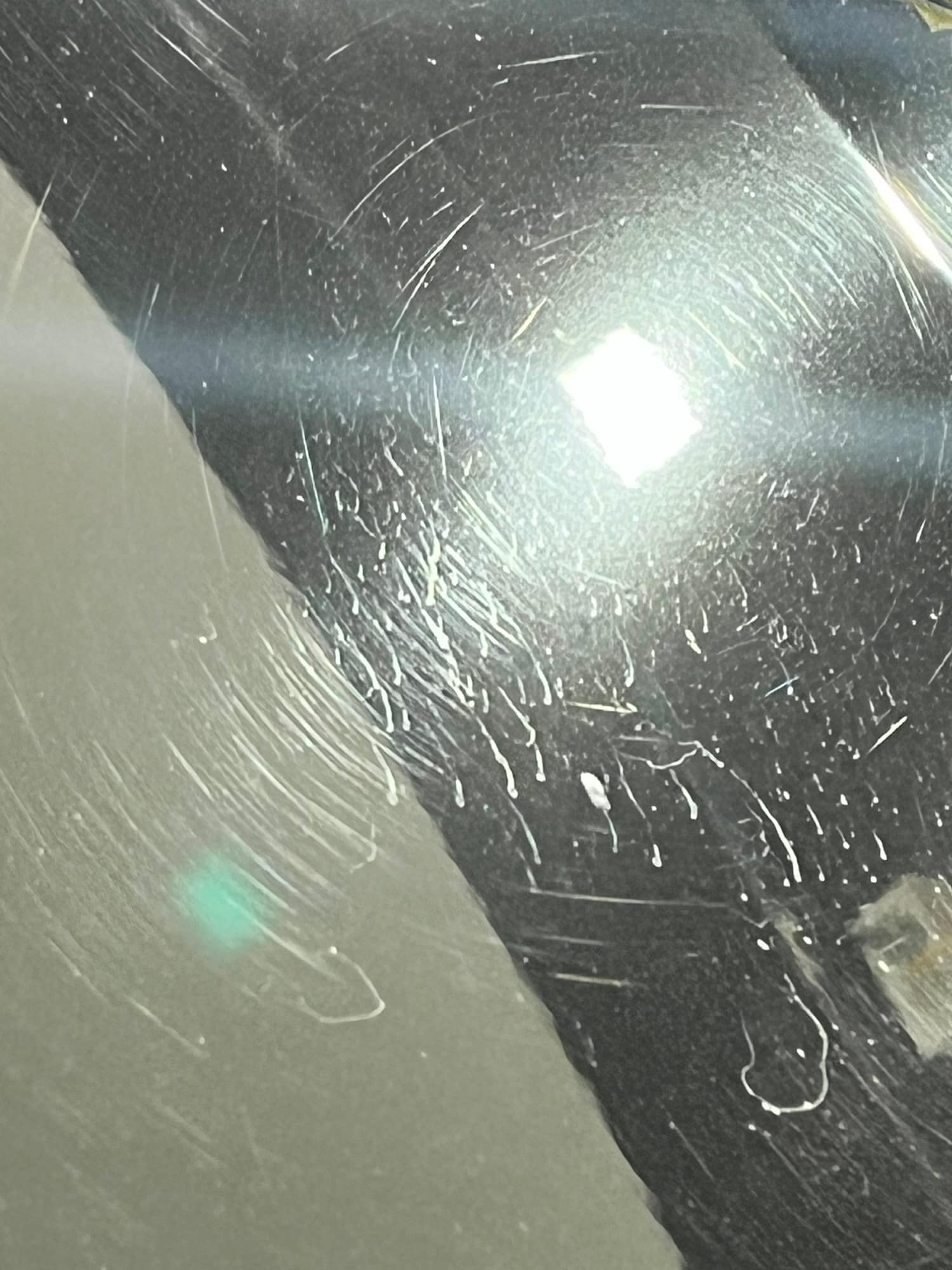
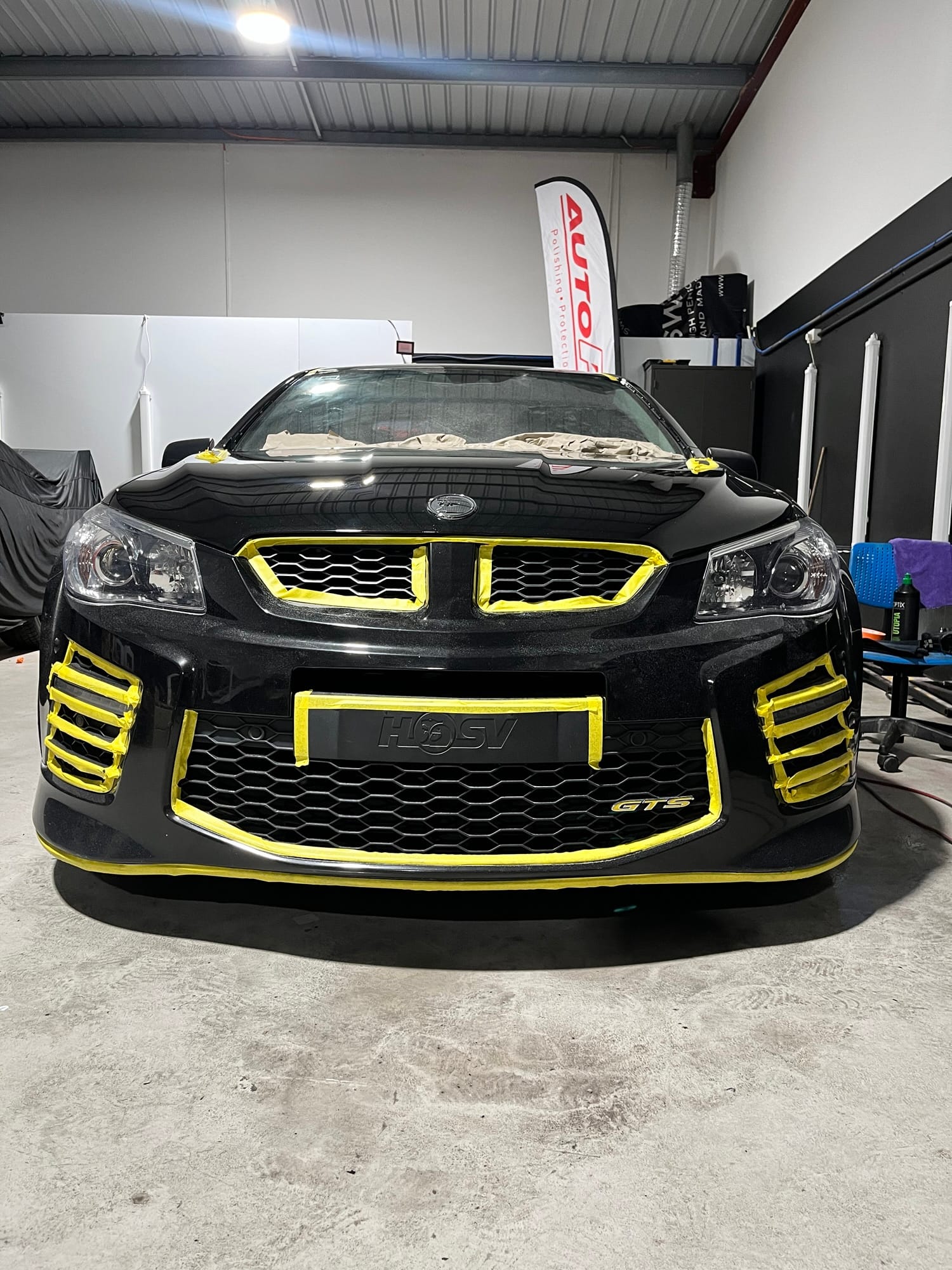
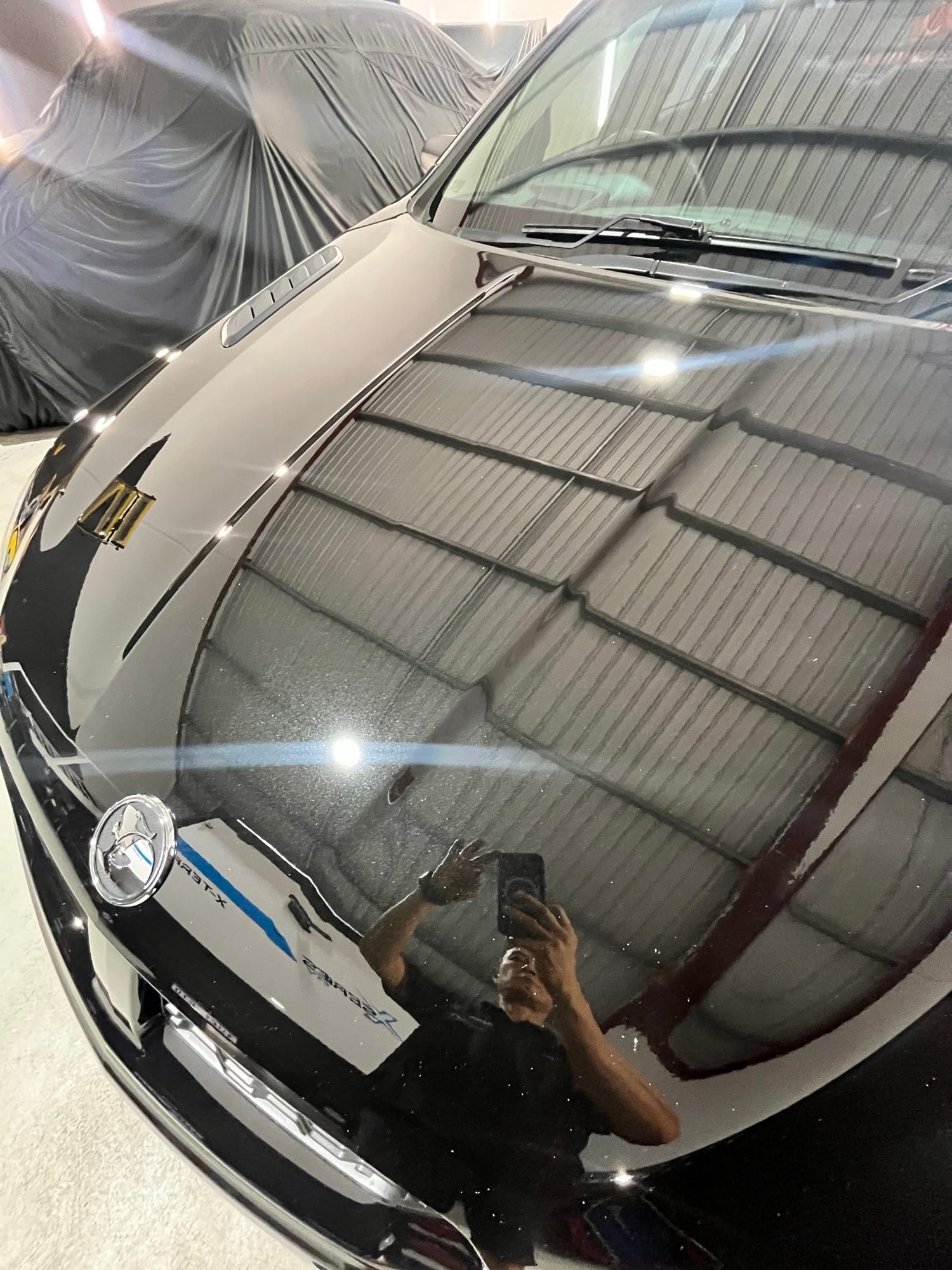
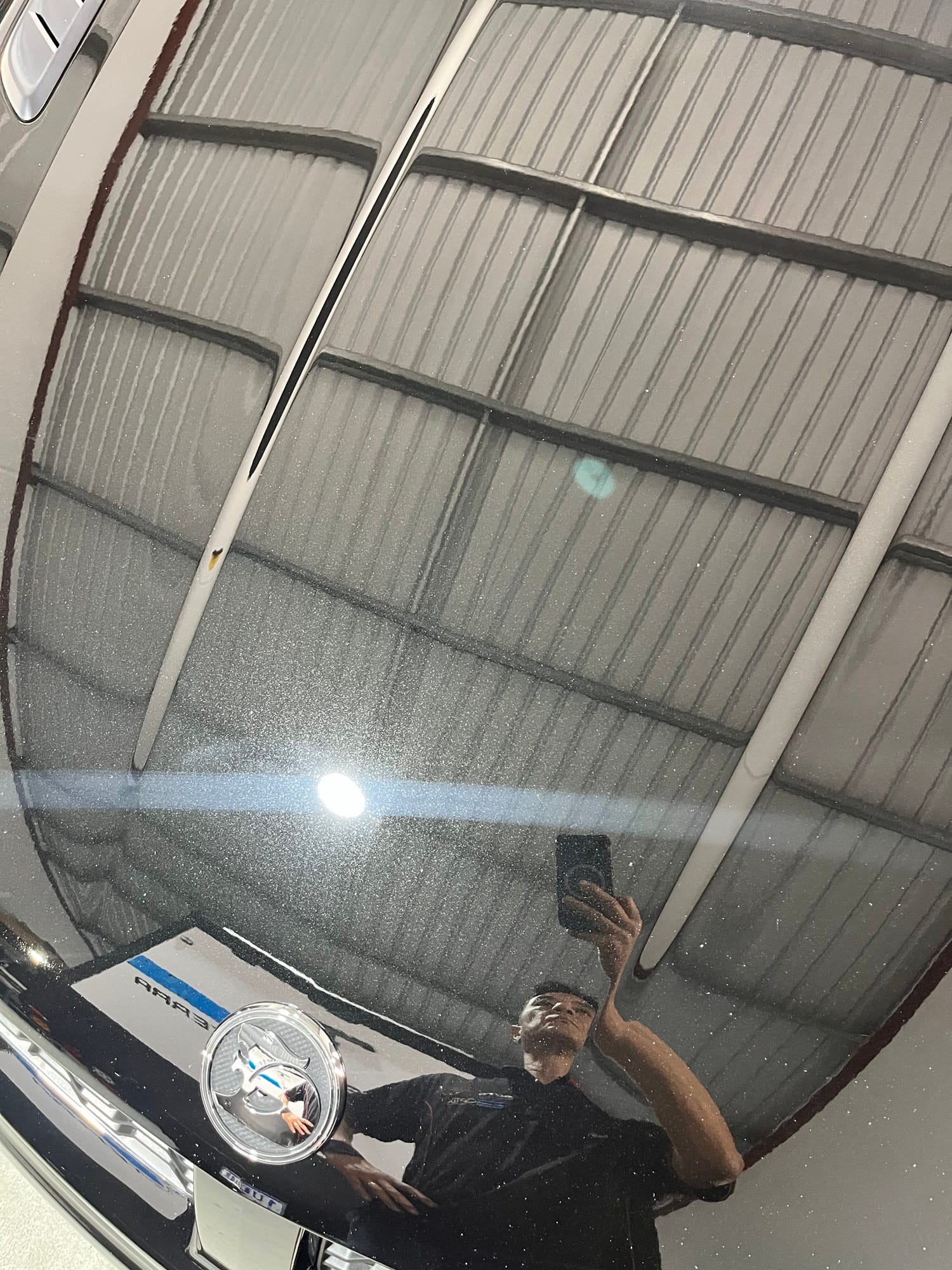
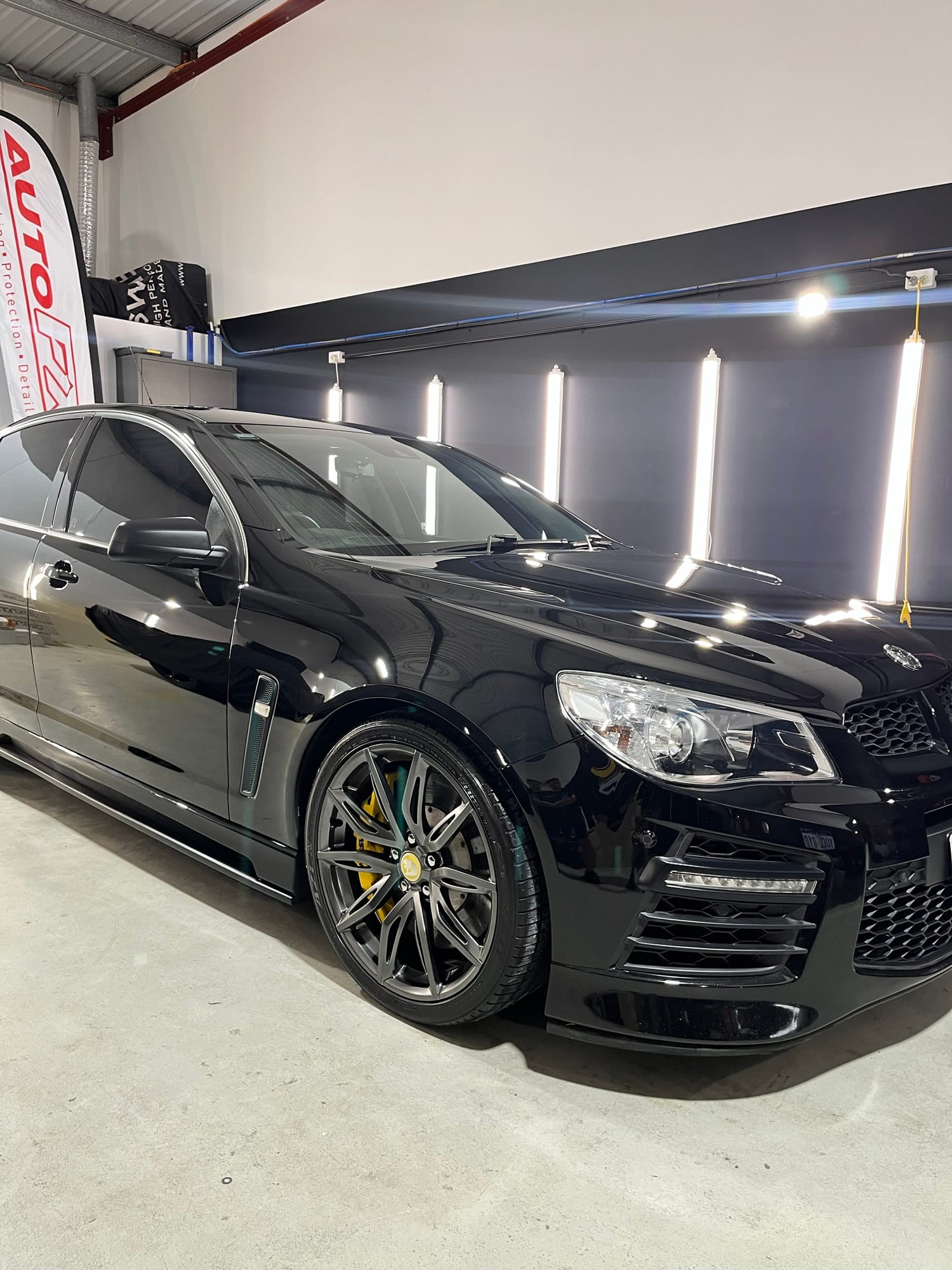
This VF GTS came in as a well-used, regularly driven vehicle with visible signs of wear across the paintwork.
Rather than rushing the process, over 22 hours were spent refining the paint to bring it back to a consistent, high-quality finish.
Paint correction is not about speed — it’s about control.
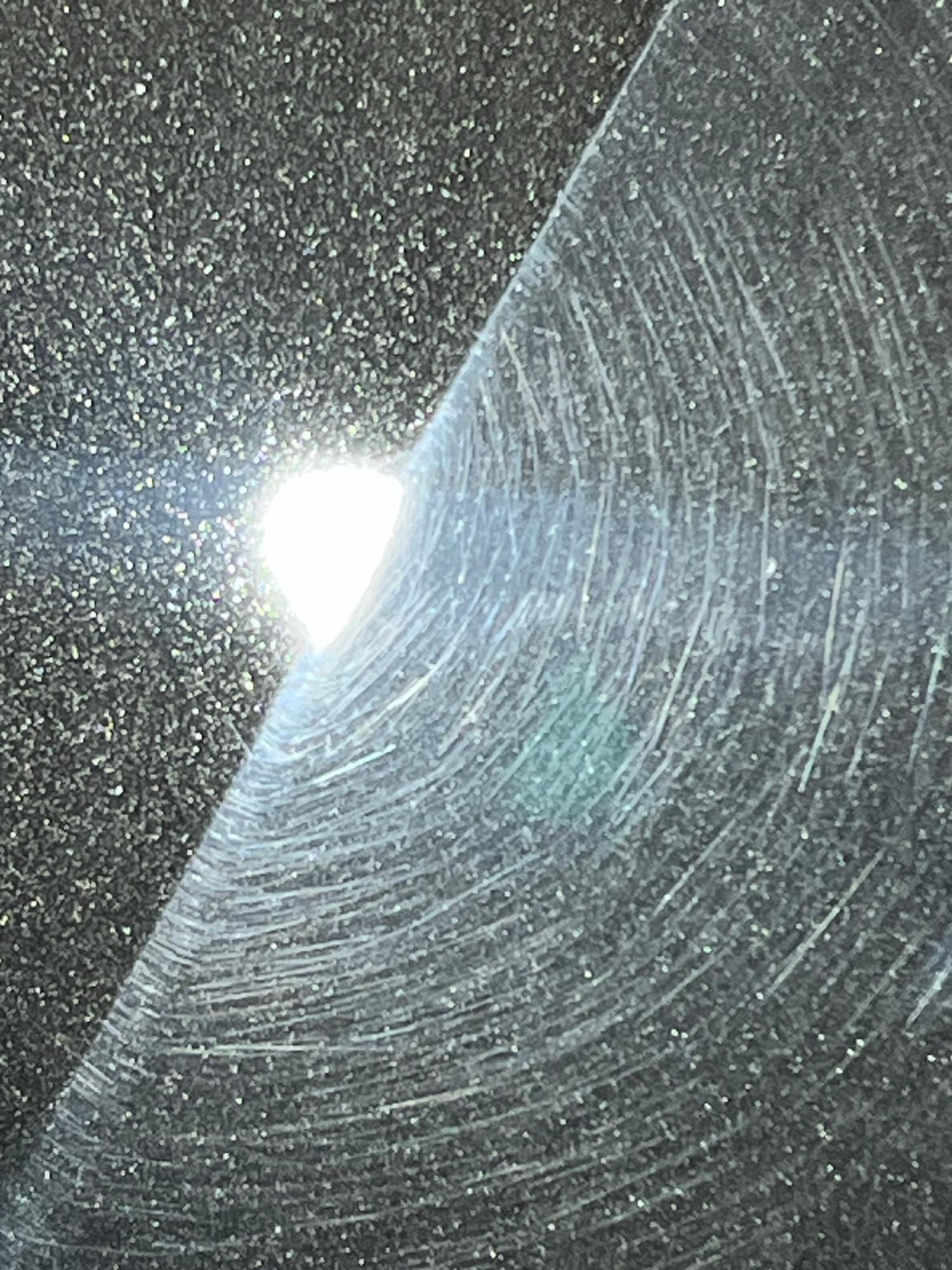
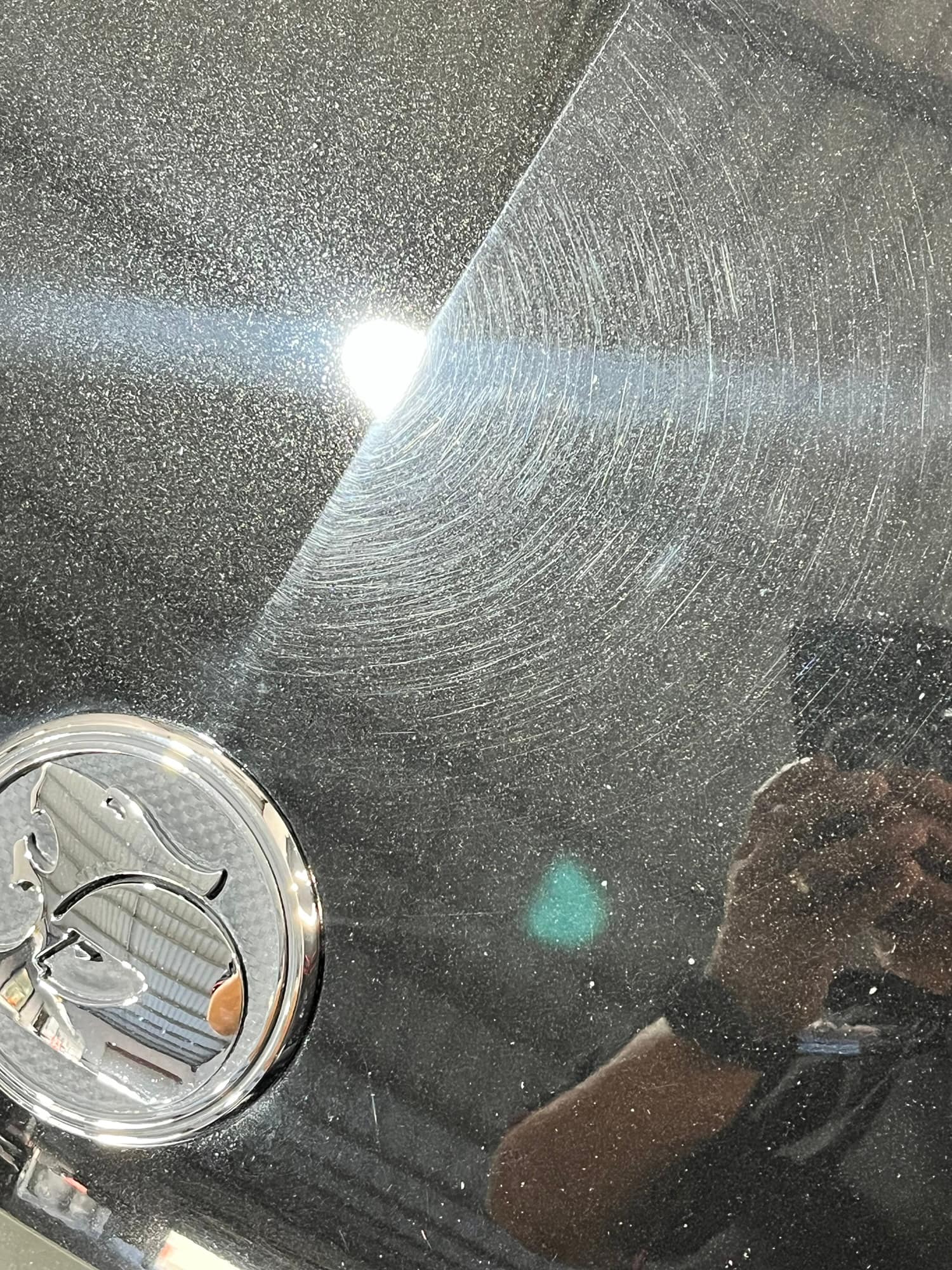
Each panel is assessed and worked individually, adjusting technique, pad selection, and polishing stages depending on the condition of the paint.
In many cases, defects such as swirl marks, light scratches, and general dullness are not removed in a single step.
Achieving a proper result requires multiple stages and careful refinement.
This is why not all “paint correction” services deliver the same outcome.
A quick polish may improve appearance temporarily, but a properly executed correction focuses on achieving a consistent finish across the entire vehicle.
For vehicles that are regularly driven, this approach restores clarity and depth, setting the foundation for any future protection such as ceramic coating.
Understanding the time and process involved is key to understanding the difference between a basic service and a properly executed paint correction.