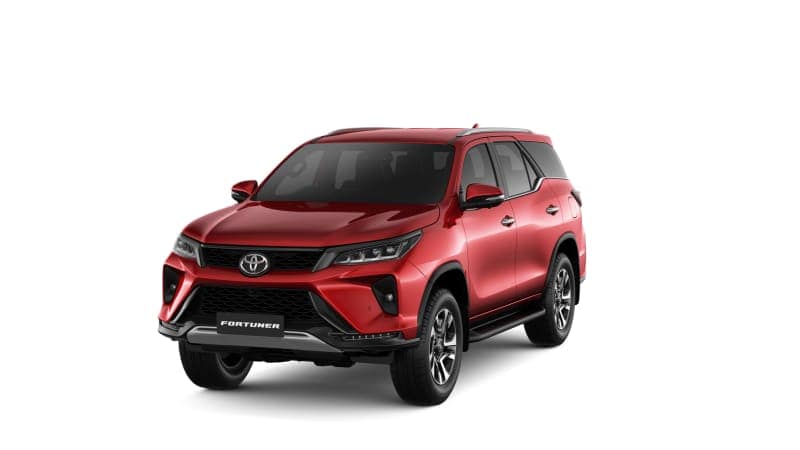
Don’s new Toyota Fortuner came in for paint protection film on the bonnet and side areas.
This was not just a quick film install.
On this job, the door handles were removed, the mirrors were removed where needed, and the bonnet protector strips had to come off and be refitted after the film was installed.
That is the important part with paint protection film.
The finish is not only about the film itself.
The finish comes from the access, the preparation, the trimming, the edge work and how much care goes into fitting the film properly around the vehicle.
Toyota Fortuner PPF Bonnet And Side Protection Perth
This Toyota Fortuner was protected with clear self-healing paint protection film on selected areas of the vehicle.
The bonnet and side sections were the main focus because these areas can take a lot of use on a 4WD or family vehicle.
Bonnet areas can cop bugs, road grime, stone impact and general front-end exposure.
The side panels can cop car park marks, bush contact, hand marks, road grime and normal daily use.
PPF gives those areas a sacrificial layer over the paint.
It does not make the car impossible to damage.
But it gives the paint a much better chance than leaving it completely exposed.
Why PPF Made Sense On This Fortuner
A Toyota Fortuner is not usually bought to sit in a garage and do nothing.
Most of them get used.
They carry family gear, shopping, tools, kids, luggage, dogs, camping gear and everything else that comes with normal life.
Some see gravel roads, trips away, country driving or 4WD use.
That is why PPF can make sense on a vehicle like this.
The owner is not trying to turn the car into a show car.
The goal is to protect the areas that are more likely to get marked, rubbed or hit during real use.
Clear Self-Healing PPF
Clear self-healing PPF was used on this Fortuner.
The clear film keeps the vehicle looking close to factory while adding a protective film layer over the paint.
Self-healing film can help reduce light surface marks in the film when heat is introduced through sunlight, warm water or suitable conditions.
That does not mean the film repairs every type of damage.
Deep cuts, hard impacts, sharp contact and poor washing can still damage film.
The important part is understanding what PPF is there to do.
It is a physical sacrificial layer that takes abuse before the paint does.
Door Handles Were Removed For Better Access
The door handles were removed where needed so the film could be fitted with better access around the handle areas.
That makes a difference.
Door handle areas get used constantly.
They are touched every day, washed around, grabbed with rings, fingernails, sunscreen, dirt and normal hand oils.
If the film is just cut around the handle with everything still fitted, the edge may be more visible or more exposed.
Removing the handle can allow the film to sit deeper and finish cleaner around the opening.
That is why part removal can be important on a proper PPF job.
Mirrors Were Removed Where Needed
The mirrors were also removed where needed for better access.
Again, this is not about making the job sound more complicated than it is.
It is about getting a cleaner result.
Mirrors can block access, especially when film needs to be fitted around the front door or side sections.
If the mirror is in the way, the installer may be forced to cut the film shorter than ideal.
Removing it can allow the film to be fitted more neatly around that area.
The important part is removing and refitting parts carefully, without damaging clips, trims, seals or paint.
Bonnet Protector Strips Had To Be Removed
The bonnet protector strips also had to be removed for the film installation.
If parts are sitting on top of the paint where film needs to go, they can get in the way of a clean install.
On this Fortuner, the strips had to come off, the film had to be installed properly, and then the parts were refitted.
That sort of extra work is easy to overlook when someone only looks at the finished car.
But those steps are part of the reason a PPF job can take time.
Good access usually gives a better chance of a cleaner edge and a more professional finish.
Bulk Fitted Because Patterns Were Not Available
This job was bulk fitted because patterns were not available at the time.
That means the film was not simply cut from a ready-made computer pattern and installed.
Bulk fitting relies more on measuring, positioning, trimming and installer judgement.
The film needs to be laid onto the panel, worked into place and trimmed carefully to suit the vehicle.
That can take more time.
It also means the installer needs to understand the shape of the panel and where the edges should finish.
Bulk fitting is not something I like to rush.
Why Bulk Fitting Needs More Control
Bulk fitting gives flexibility, but it also needs more control.
With a pattern, much of the shape has already been designed before the film reaches the car.
With bulk fitting, the installer is making more decisions on the vehicle.
- Where should the film finish?
- Can an edge be wrapped?
- Where is the safest place to trim?
- What parts need to be removed?
- How much access is available?
Those decisions affect the final result.
PPF Is More Than The Film Brand
This older AutoFX WA job originally mentioned old film product names that are no longer the current AutoFX WA direction.
The useful message today is not the old product name.
The useful message is the process.
Clean the surface properly.
Remove parts where it helps.
Fit the film carefully.
Finish the edges properly.
Refit the parts with care.
That process is still important, regardless of the older product wording that may have been used at the time.
Why Edge Work Is Important
PPF edges are one of the biggest parts of the job.
If an edge is placed badly, it can be more visible, collect dirt or become easier to lift during washing.
If an edge is tucked properly where possible, the finished job usually looks cleaner.
That is why access around handles, mirrors, trims and strips can make a real difference.
The customer may not notice every edge straight away, but they will notice if the film starts looking messy later.
Good edge work is part of the long-term result.
Protection For A 4WD That Gets Used
A Fortuner is the kind of vehicle that benefits from practical protection.
It is not about pretending the car will never get marked.
It is about giving the paint a better layer of protection for the way the vehicle is used.
PPF can help protect against light abrasion, road grime, bug impact, stone chips and general contact in selected areas.
It is especially useful on high-impact or high-use sections.
For a 4WD, that practical side is often more important than chasing perfect presentation.
PPF Does Not Make The Car Damage-Proof
Paint protection film has limits.
A sharp enough object can cut it.
A hard enough stone can damage it.
Poor washing can still mark it.
Heavy off-road use can still damage the film or the paint underneath if the impact is strong enough.
That does not make PPF a bad product.
It just means it needs to be explained properly.
The film is there to take the hit before the paint does where possible.
Ceramic Coating And PPF Are Different
PPF and ceramic coating are not the same thing.
PPF is a physical film layer that helps with stone chips, road rash, light abrasion and contact marks.
Ceramic coating is used for gloss, slickness, water behaviour and easier washing.
Both products can be useful, but they do different jobs.
On a vehicle like a Fortuner, PPF can make sense on areas that are more exposed to physical contact.
Ceramic coating may also make sense on the rest of the paint if the owner wants easier washing and a glossier finish.
Why Part Removal Is Not Always Needed
Not every PPF job needs parts removed.
Some vehicles can be filmed neatly without removing handles, mirrors or trims.
Other vehicles need selected parts removed to improve access and edge finish.
The decision should be based on the car, the panel shape, the coverage and the result expected.
There is no point pulling parts off just to make the job sound bigger.
But if removing a part gives a cleaner and more practical finish, then it can be worth doing.
Preparation Before PPF
Before film is installed, the paint needs to be cleaned properly.
PPF does not hide everything underneath.
If there is dirt, wax, polish residue or contamination on the surface, it can affect the install.
If the paint has scratches or marks, those may still be visible under the film.
That is why preparation is important before any PPF job.
The film protects the surface going forward, but the surface still needs to be ready before the film goes on.
Why This Fortuner Page Is Worth Keeping
This older AutoFX WA page is worth keeping because it shows what can be involved in a proper PPF job.
Customers often see the finished car and do not see the work behind it.
They do not see the handles removed, mirrors removed, strips removed, film positioned, edges trimmed and parts refitted.
Those steps are part of the job.
They also help explain why paint protection film is a skill-based service, not just a product stuck to the paint.
AutoFX WA Paint Protection Film Perth
AutoFX WA offers paint protection film for selected panels, high-impact areas, front ends, headlights, doors, sills and other sections where physical protection is needed.
The right coverage depends on the vehicle and how it will be used.
Some cars need front-end protection.
Some 4WDs benefit from bonnet and side protection.
Some owners want larger coverage because they use the vehicle in harsher conditions.
The important part is choosing coverage that suits the car, not just selling the biggest package.
For current film options, see Paint Protection Film Perth.
Related AutoFX WA Services
For vehicle protection and preparation, AutoFX WA offers Paint Protection Film Perth for physical film protection, Ceramic Coating Perth for gloss and easier maintenance, Paint Correction Perth for surface preparation before protection, and Car Detailing Perth for cleaning and maintenance.
Final Thoughts
Don’s Toyota Fortuner is a good example of a practical PPF job.
The bonnet and side areas were protected with clear self-healing film, and the job needed more than just laying film onto the paint.
Door handles were removed.
Mirrors were removed where needed.
Bonnet protector strips were removed and refitted.
The film was bulk fitted because patterns were not available.
That is the sort of work that gives a PPF job its real value.
Not just the film itself, but the preparation, access, trimming and judgement behind the installation.