The Ultimate Defence for Your Paint: Car Paint Protection Film
Invisible protection against stone chips, road debris, UV and daily wear for Perth vehicles. Your vehicle’s paint is under constant attack in Perth. Rock chips, road debris, insect splatter, and harsh UV rays degrade your finish from day one. While a ceramic coating offers gloss and chemical resistance, it cannot stop a stone chip.
Paint Protection Film (PPF) is the only solution that provides a true physical barrier. This thick, durable, and self-healing urethane film acts like a sacrificial “helmet” for your car’s paint, absorbing impacts and stopping damage before it starts.
At AutoFX WA, we don’t just sell you a product. We provide an honest, long-term paint protection solution to protect your investment.
FAQ
Does PPF wrap stop stone chips?
Yes. PPF acts as a sacrificial layer that absorbs most light stone and road debris impacts before they reach the paint. While no product can stop every impact, PPF wrap provides the highest level of physical paint protection available.
Is PPF better than a ceramic coating?
For physical protection, yes. PPF protects against stone chips UV and impact damage, whereas ceramic coatings mainly protect against UV, chemicals, and ease of cleaning. They do different jobs and are often best used together.
How long does PPF last and does it self-heal?
Modern TPU PPF can last many years with proper care. Self-healing works best on light scratches and is most effective in the first few years, depending on exposure, use, and environment. Some see over 7 years.

PPF Installed at AutoFX WA in O’Connor
Servicing City of Fremantle, Melville, Cockburn, Canning Vale and wider Perth
Paint protection and detailing experience since 2001
“PPF vs Ceramic Coatings – Real-World Protection”
Will PPF protect my paint as well as a ceramic coating?
Yes — and in many ways, significantly better.
Paint Protection Film (PPF) is the hardest form of protection you can apply that still looks like paint.
Unlike coatings, which mainly protect against UV, chemicals, and light marking, PPF provides real physical protection.
Ceramic coatings still play an important role when used with PPF, especially for gloss, chemical resistance, easier washing and exposed painted areas. You can learn more about our ceramic coating process here.
What does PPF protect against?
PPF:
- Stops most light stone and rock chips
- Provides far superior UV protection compared to coatings
- Has self-healing properties for light wash scratches and minor bush marks
- Acts as a sacrificial layer over the paint
How does self-healing work?
TPU Paint Protection Film is a thermoplastic material with a nano self-healing top layer.
Light scratches can diminish or disappear with heat (sun, warm water, or ambient temperature).
Self-healing longevity depends on real-world use:
Low-km, garaged luxury cars can see long-term results
Most owners can expect around 3–5 years of satisfactory self-healing performance on high-traffic areas, depending on use and maintenance.
Light wash marks and minor surface scratches can reduce with heat, especially from direct sun, warm water or warmer weather. Deeper abrasions may still remain visible, so regular hand washing, safe wash products and avoiding harsh chemicals are still important for keeping the film looking its best. In cooler conditions, the self-healing effect may take longer to work.
What are the downsides of PPF?
The main weakness of PPF is staining.
PPF does not stain more easily than paint — the difference is:
- Paint can be machine polished
- PPF cannot be polished
Deep stains such as bird droppings may not fully come out.
However, unlike paint damage, PPF can usually be removed and replaced.
What about material quality?
In terms of innovation, Asia currently leads the PPF industry.
They pioneered:
- Coloured PPF
- Chrome finishes
- Colour-shifting films
- Pearl and paint-enhancing variants
Not all PPF is the same. Knowing which manufacturers are good — and which are not — comes down to experience, not branding or country bias.
From hands-on experience, even top-tier Western brands can stain quickly when vehicles live outdoors.
So is PPF better than a coating?
PPF protects paint in ways that coatings simply cannot.
Coatings still have a place, but if your goal is maximum physical protection, PPF is the superior option.
Real-World Performance vs Marketing Claims
A lot of PPF marketing focuses on self-healing, long warranties, or ultimate protection. The reality is that all PPF is a sacrificial layer. Over time, exposure to UV, bird droppings, tree sap, and road grime will affect the film. The goal isn’t perfection forever—it’s protecting your factory paint so when the film eventually needs replacing, your paint is still in top condition.
What Really Determines PPF Performance
PPF isn’t about brand names. Every film will wear; the key is protecting your paint in that time. A reliable adhesive ensures films last beyond five years under normal conditions. Some might last longer; some shorter, depending on maintenance and environment. When the film has served its time, your paint remains pristine underneath.
Practical Expectations
No PPF is perfect upon installation; minor imperfections are normal. We choose films we trust, aiming for adhesives that hold strong. If conditions are harsh, film aging speeds up; gentle conditions extend it. The main thing? Your paint is protected. And when it’s time to refresh, the car’s finish is ready to shine again.


Avoid chips with OPTiX NANO PPF
The AutoFX WA Difference: Why Installation is Everything
Choosing the right film is only 50% of the job. Although PPF is not perfect, an invisible finish is 100% down to the installer.
- Perth’s PPF & Detailing Experts: With experience in vehicle finishing since 2001, we have the skill to handle any vehicle, from a daily driver to a supercar.
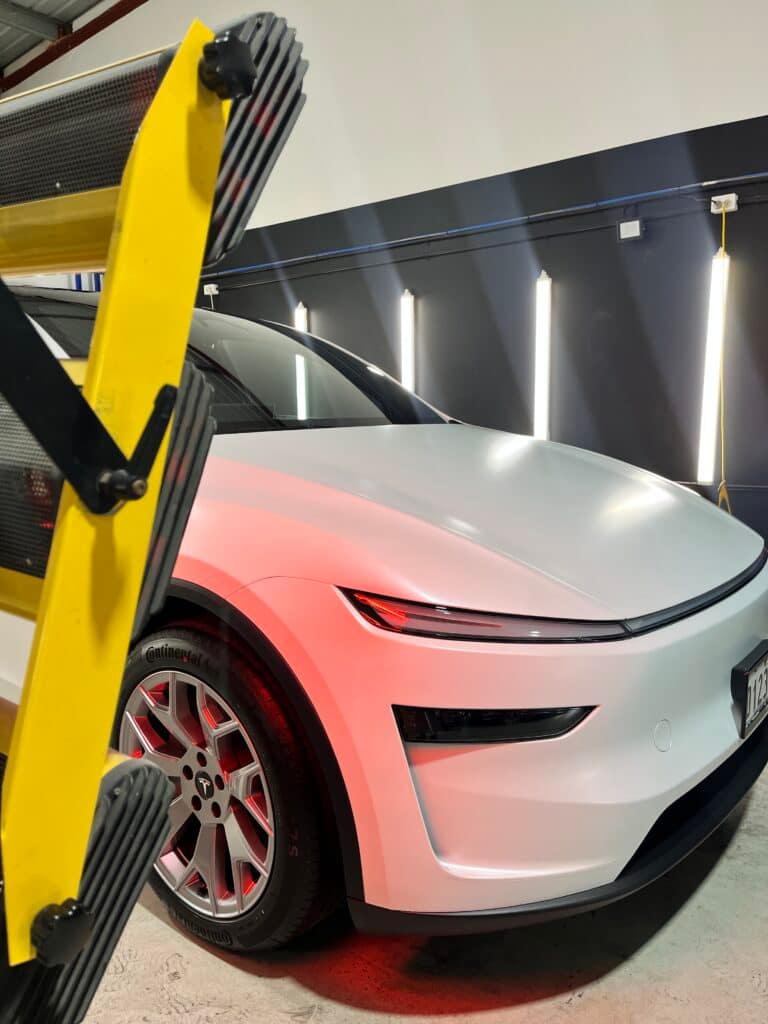
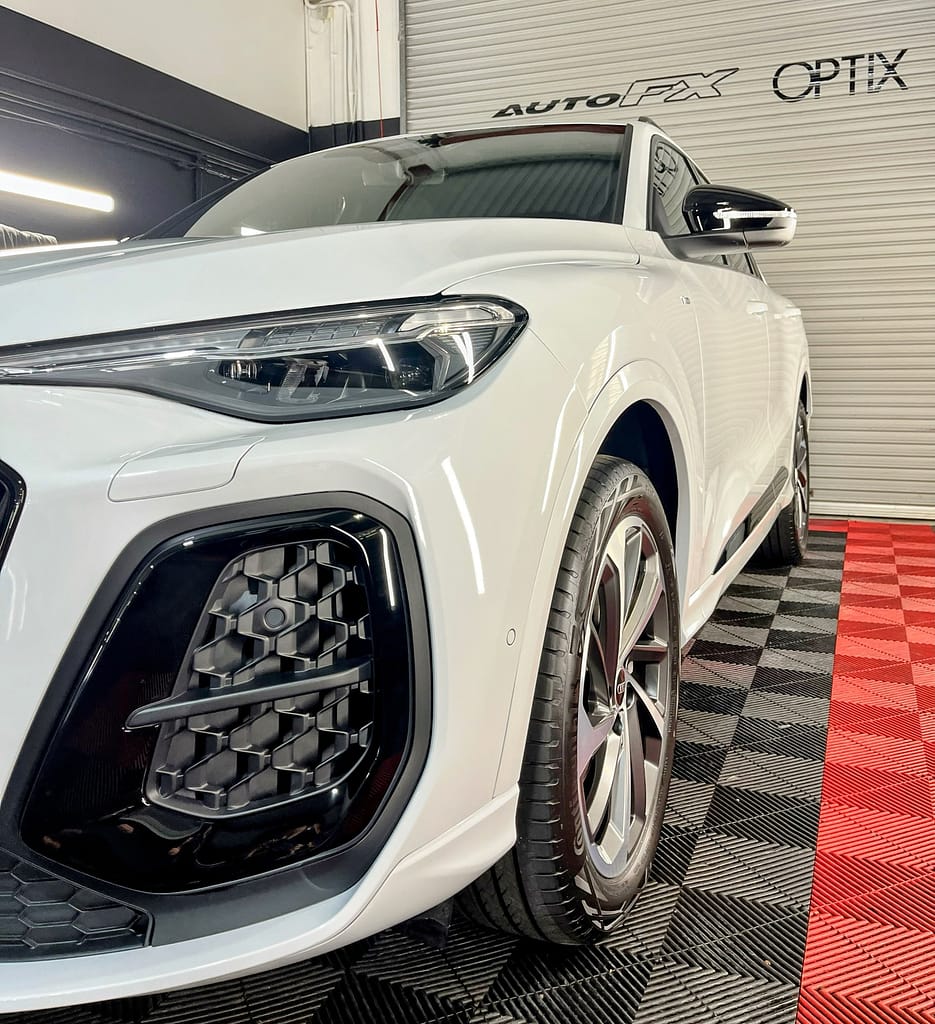
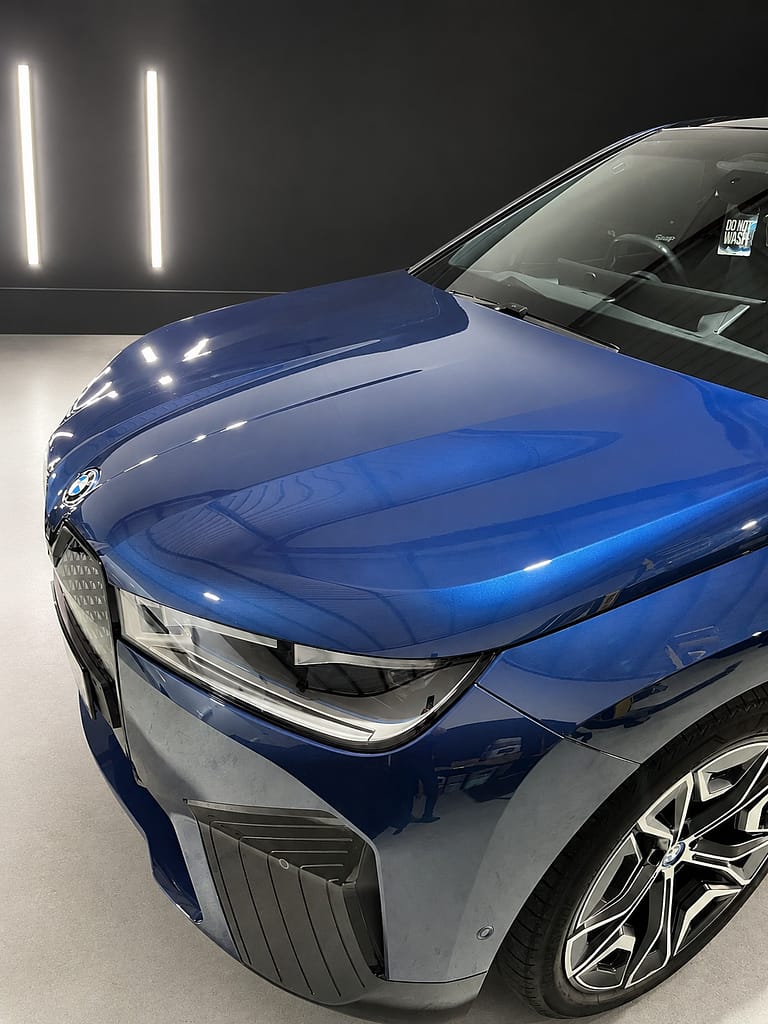
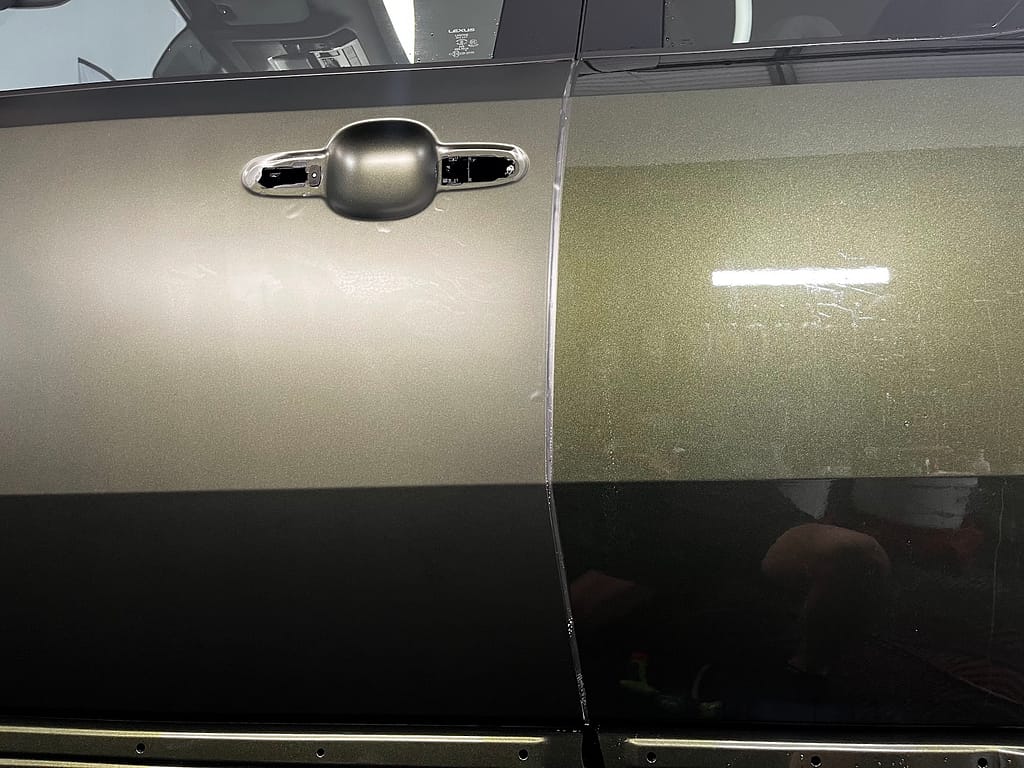
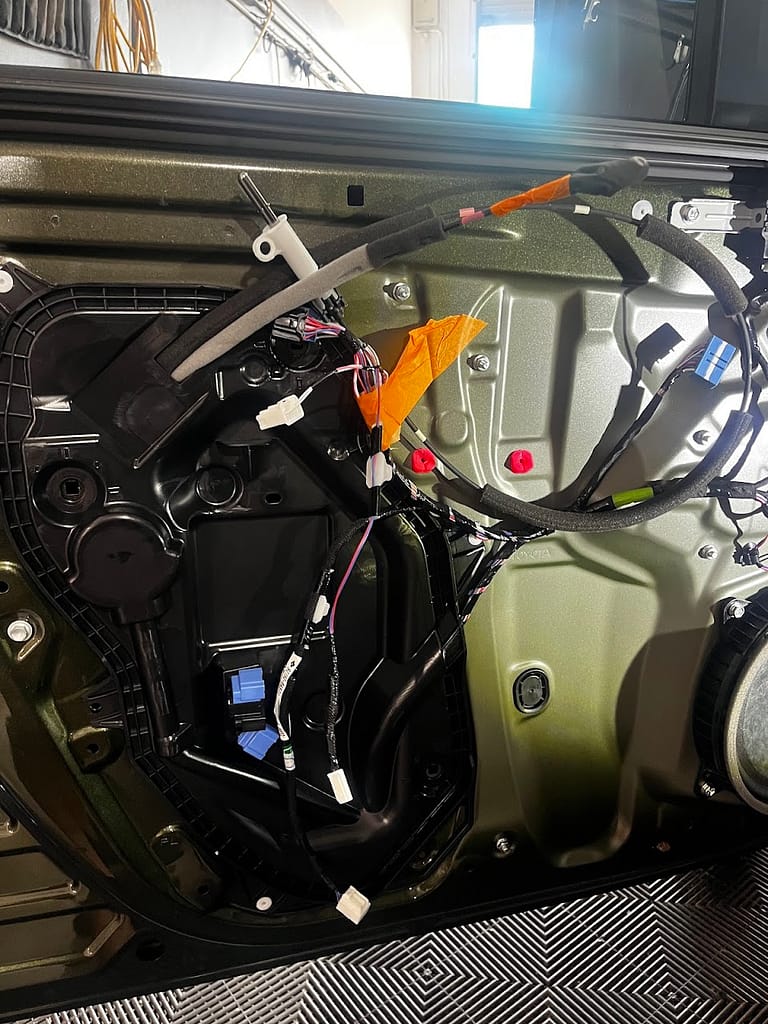
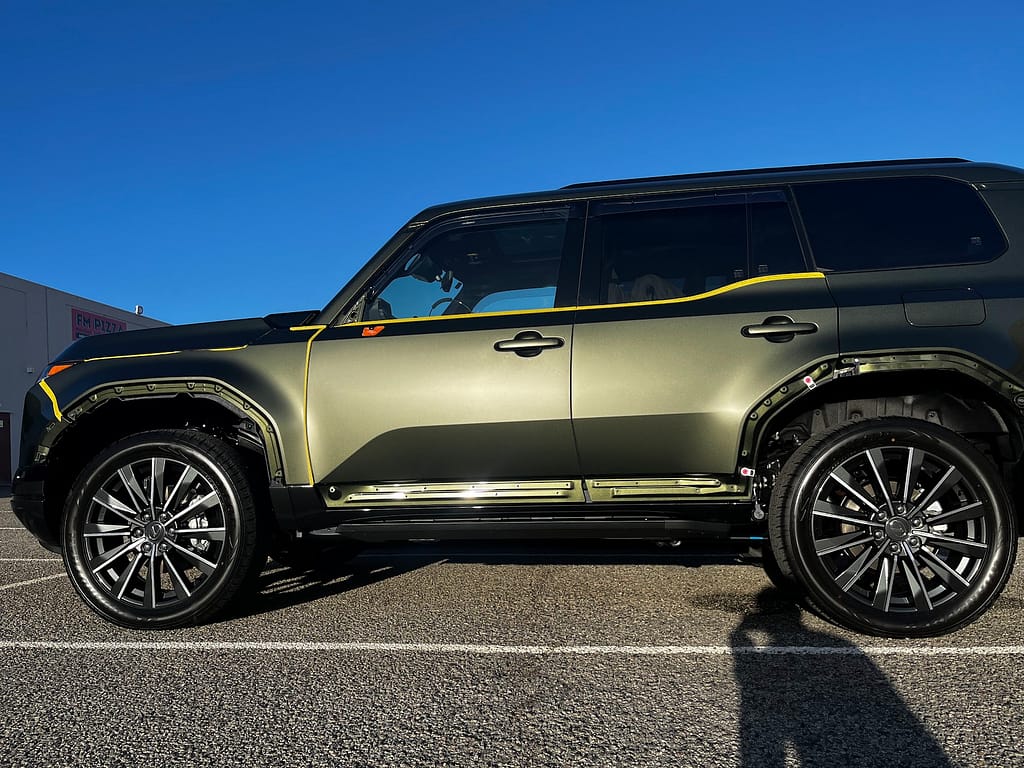
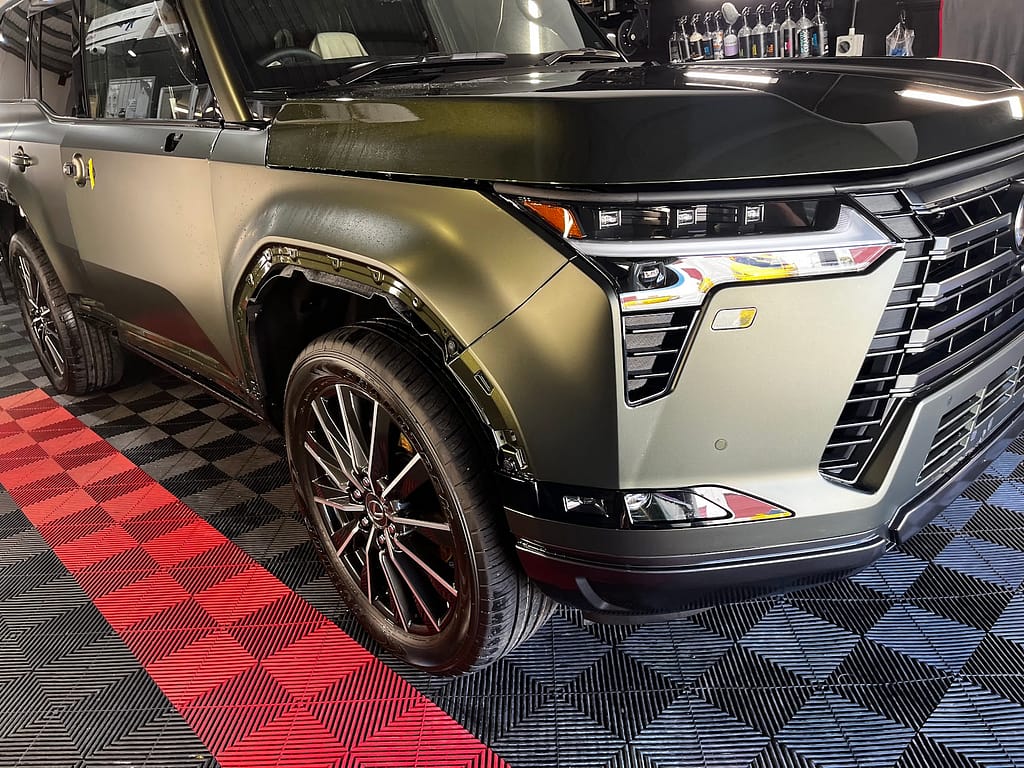
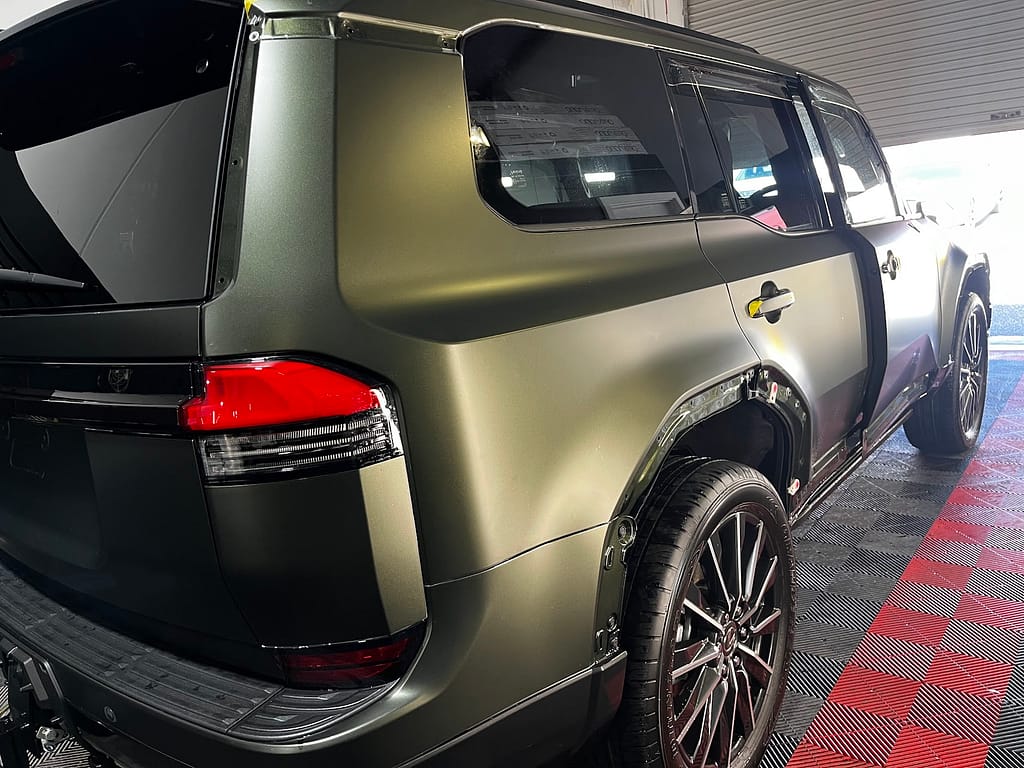
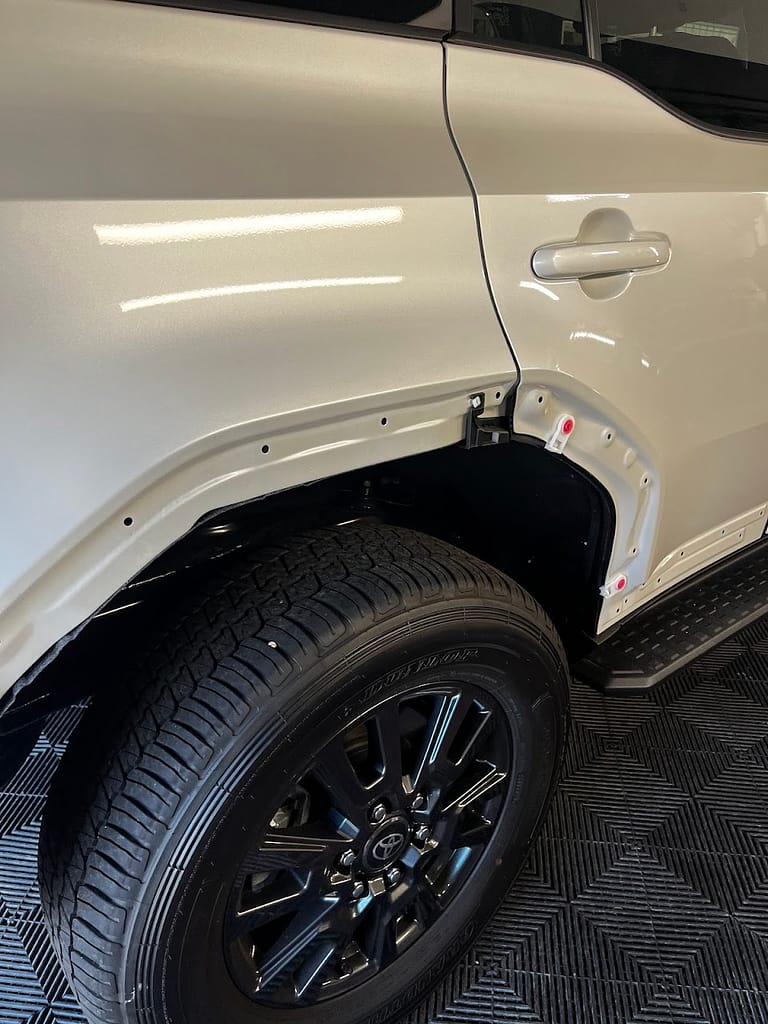
- Meticulous ‘Bulk-Fit’ Installations: We do not rely on basic pre-cut patterns that leave visible edges. We specialise in “bulk fitting,” using large, custom-cut sheets. This allows us to wrap the film around panel edges (like under the bonnet or inside the guard) for a truly invisible, seamless finish that won’t lift or peel.


Our Premier Choice: OPTiX Nano Paint Protection Film
After years of experience with all major brands, we confidently recommend OPTiX Nano PPF for the vast majority of our clients. It offers the best balance of performance, clarity, and real-world durability, aligning perfectly with our “customer-first” philosophy.
- OPTiX Nano Shield (7.5-8.5 mil / 180-210 microns): This is our flagship film, offering exceptional thickness and a 10-year warranty. Its surface is not just “coated”; it features an in-built nano-technology top layer. This means its slickness, stain resistance, and hydrophobic (water-repelling) properties are part of the film itself, not a temporary coating that wears away.
- OPTiX Nano Shield+ (10 mil / 254 microns): For maximum peace of mind, Shield+ offers an even thicker 10 mil film. This is the ideal choice for high-impact zones, 4x4s (like the Land Cruisers we often work on) and trucks.
Why We Trust OPTiX Nano for Our Perth Clients:
- True Hydrophobic & Self-Cleaning: Its “nano-injection” technology actively repels water and grime, making your car easier to wash.
- Advanced Self-Healing: Minor swirls and scratches disappear with the application of heat from the sun or warm water.
- Superior Clarity & Gloss: This film is optically clear and can enhance the depth and gloss of the paint while protecting the original finish.
- 10-Year Warranty: A comprehensive warranty backed by a company that understands Australian conditions.
PPF Installation in O’Connor for Perth & Regional WA
AutoFX WA is based in O’Connor, servicing the City of Fremantle, City of Melville and wider Perth. We also have clients travelling from Mandurah to Bullsbrook, and from regional WA including Esperance through to Broome.
Lamborghini Gallardo Full PPF
We protected a Lamborghini Gallardo with full PPF coverage while the owner was overseas. The project took six weeks, allowing us to refine every detail. With gloss black film on black panels and clear gloss on the orange, the finish is immaculate. Check out the full process and final results in our blog! click here
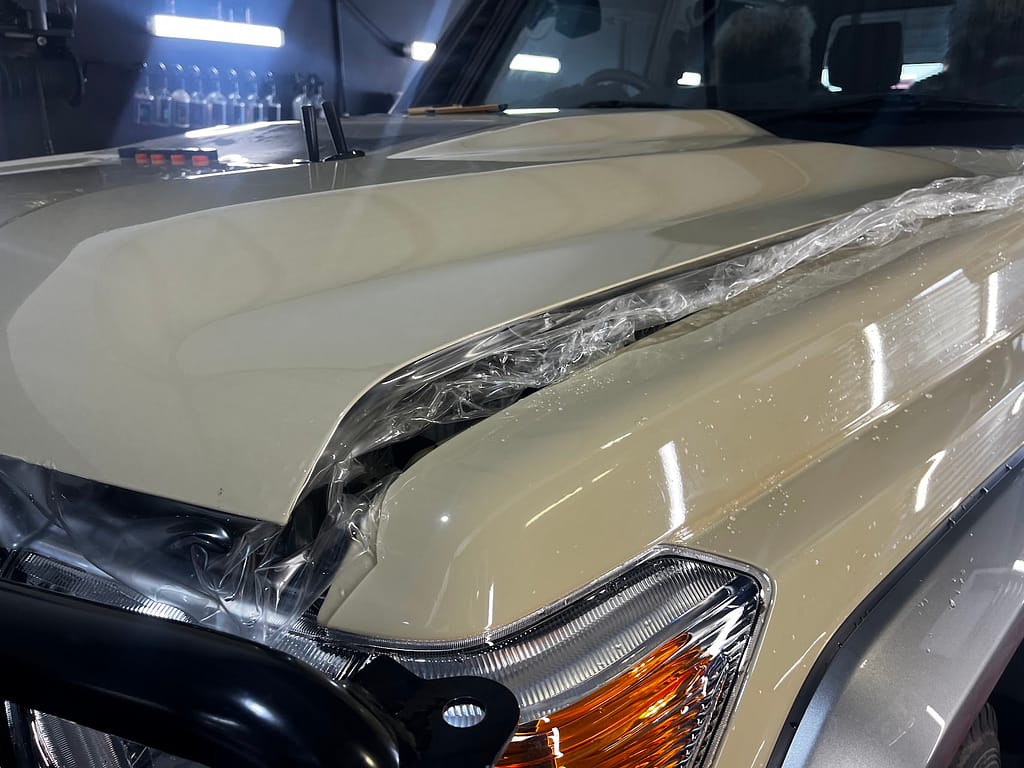
This 2024 Toyota 70 Series Dual Cab Land Cruiser GXL received full cab PPF, including the rear wall.
Exterior components were removed for a cleaner finish, and the bonnet was installed in one piece with no cuts. Exterior components were removed for a cleaner finish, and the bonnet was installed in one piece with no cuts.