Should I Roll My Guards Before Lowering Or Fitting New Wheels?
This is one of the most common questions people ask before changing wheels, tyres or suspension.
Should I roll my guards first?
Or should I lower the car and fit the wheels first?
The honest answer is that it depends on the car, the wheel fitment, the tyre size, the suspension setup and how much clearance is available to work with.
Guard rolling is not something that should be guessed blindly. The guard, tyre and suspension all work together. Change one part, and the clearance can change as well.
A car can look fine when parked, but still rub when it is driven, loaded, turned, compressed over a bump or pushed through a corner.
That is why the order of the work matters.
Why Guard Clearance Changes After Lowering
When a car is lowered, the wheel sits closer to the guard.
That sounds obvious, but the real issue is not just how the car looks when it is parked. The real issue is what happens when the suspension moves.
As the car drives, the suspension compresses. The tyre moves upward into the guard area. If the tyre sits too close to the guard lip, inner arch, bumper tab or plastic liner, rubbing can begin.
Sometimes the rubbing is light.
Sometimes it damages the tyre.
Sometimes it bends the guard lip.
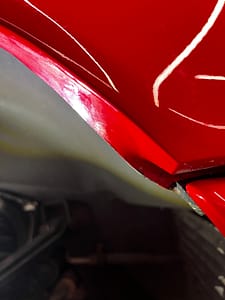
Sometimes it cracks paint on the edge.
And sometimes it only happens when the car is loaded, turning or hitting a bump at speed.
This is why guard rolling should be considered before the problem becomes tyre damage or paint damage.
Why New Wheels And Tyres Change The Answer
Wheel fitment makes a big difference.
Offset, wheel width and tyre size all affect where the tyre sits in relation to the guard. A small change in offset or tyre profile can be the difference between clearing nicely and rubbing badly.
A tyre with a square shoulder may rub where a rounded shoulder tyre may not.
A wider wheel may push the tyre closer to the guard.
A lower offset may bring the wheel further outward.
A slightly taller tyre may touch under compression.
That is why there is no single answer that suits every car.
The final setup matters.
Should You Roll Guards Before Lowering?

Sometimes, yes.
Rolling the guards before lowering can be a good idea when there is plenty of room to work and the guard roller can be set up properly.
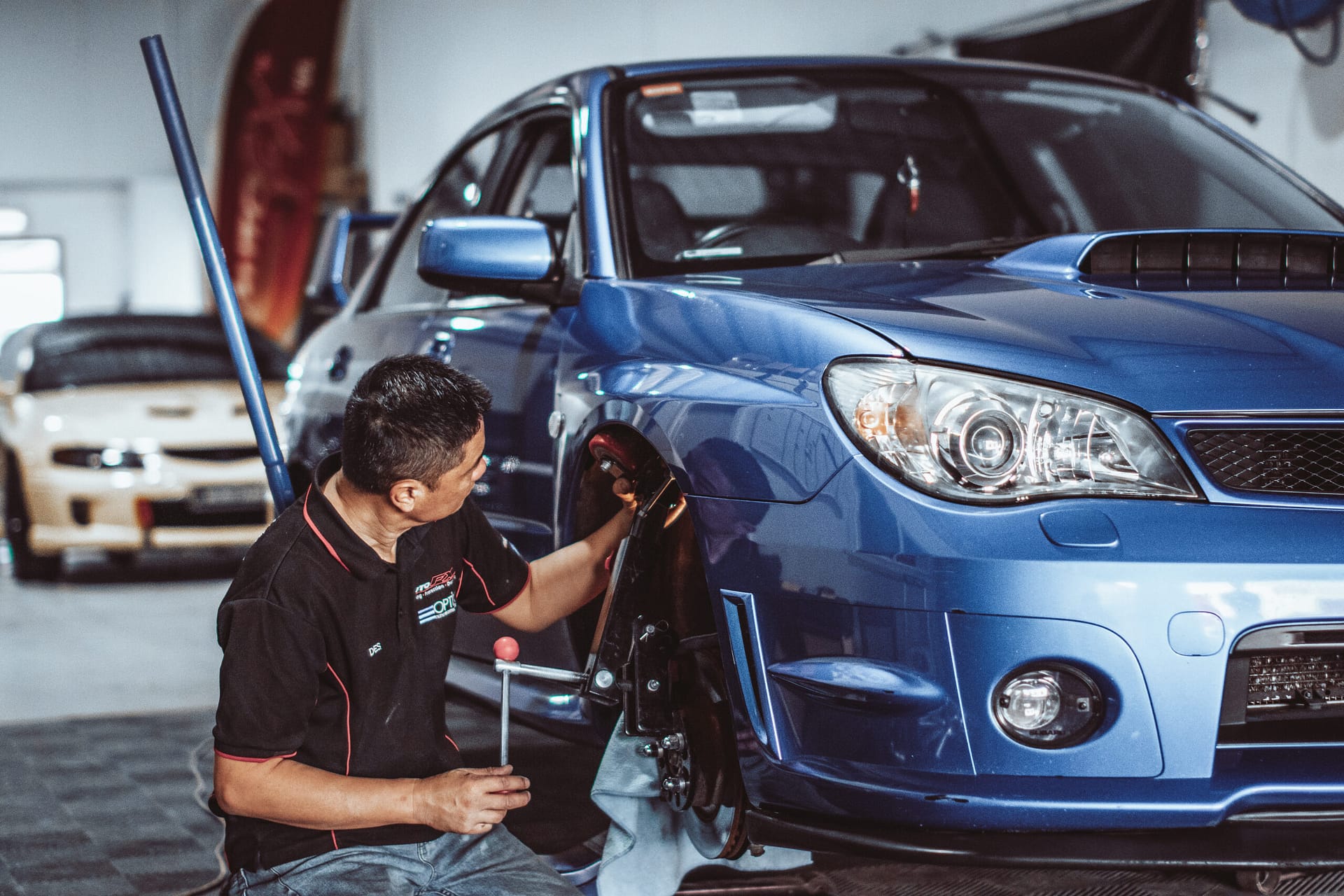
A hub-mounted guard roller needs space to move. It needs enough clearance to sit at the right angle and apply controlled pressure to the guard lip. If the car is already very low, or if coilovers and wheel fitment leave very little room, the roller may not have the correct working angle.
That can make the job harder.
In some cases, rolling before the car is lowered gives better access and a cleaner working position.
This can be especially useful if you already know the car will be lowered and you already know the wheel and tyre setup is likely to be close.
Should You Fit The Wheels First?
Sometimes, also yes.
The advantage of fitting the wheels and tyres first is that the real clearance can be checked.
This removes some of the guesswork.
Once the wheels, tyres and ride height are in place, it becomes easier to see where the tyre is sitting, how much guard clearance is available and what area is likely to rub.
The downside is that if the car is already too low or the fitment is already too aggressive, there may be less room to use a guard roller properly.
So the final setup gives more information, but it can also reduce access.
That is the balance.
Why Coilovers Can Make Guard Rolling Harder
Coilovers can be a great upgrade, but they can also change the way guard rolling needs to be approached.
Once a car is lowered on coilovers, the gap between the tyre and guard can become much smaller. If the wheel and tyre are already fitted, there may be very little room for the roller to operate.
The angle of the roller matters.
If the tool cannot sit correctly, the job becomes more difficult. Guard rolling is not just about forcing the lip upward. It needs controlled heat, controlled pressure and the right working angle.
If the car is too low, the tyre may need to be removed, the suspension may need to be adjusted, or the job may need a more careful approach.
This is why it is better to ask before everything is fitted and rubbing badly.
The Best Time To Ask
The best time to ask about guard rolling is before buying wheels, tyres or suspension.
That does not mean the guards must always be rolled first.
It simply means the conversation should happen early.
If you already know the wheel size, tyre size, offset and planned ride height, it is much easier to give sensible advice. Without that information, the answer becomes more general.
A 10-inch wheel with an aggressive offset is a very different situation from a mild wheel upgrade.
A low-profile tyre with a rounded shoulder is different from a taller, square-shouldered tyre.
A slight drop on springs is different from a low coilover setup.
The more information available, the better the advice can be.
There Is No Perfect Answer For Every Car
Some cars are easy, some cars are not.
Some factory guard lips roll neatly. Some are thicker. Some have liners, brackets or bumper tabs in the way. Some paint is more flexible. Some older paint may be more fragile. Some cars have already had paint repairs, filler or previous guard work.
That is why guard rolling should always be approached with judgement.
The job is not just to make the tyre fit at any cost.
The job is to create clearance as safely and sensibly as possible while respecting the paint, panel shape and condition of the car.
Sometimes a light roll is enough.
Sometimes a stronger roll is needed.
Sometimes the guard needs slight pumping.
Sometimes the better answer is changing tyre size, ride height, offset or alignment.
Guard rolling can help, but it is not magic.
Paint Risk And Guard Rolling
There is always some risk when guard lips are rolled.
That needs to be said honestly.
The guard lip is metal covered in paint. When it is moved, the paint is asked to flex with it. Heat can help reduce risk, but it does not remove the risk completely.
Factory paint in good condition is usually more predictable.
Older paint, repaired paint, cracked paint or guards with filler can be more risky.
That is why the work needs to be done carefully.
A good guard rolling job is controlled. It uses heat, pressure and patience. It should not be rushed or forced just to make an aggressive fitment work.
The goal is clearance with the least unnecessary stress on the panel.
Tyre Damage Can Cost More Than Guard Rolling
Rubbing should not be ignored.
A tyre that rubs on a guard lip can slowly be cut or damaged. In some cases, the sidewall can be marked badly enough to make the tyre unsafe.
The guard can also suffer.
Paint can chip on the lip. Metal can bend. The edge can be pulled or distorted. Plastic liners and bumper tabs can be damaged.
A small rub can become an expensive problem if it is left too long.
Guard rolling is often cheaper than replacing damaged tyres or repairing paint.
That is why prevention matters.
Check The Whole Setup
Guard rolling is only one part of the fitment conversation.
Wheel alignment, camber, tyre size, suspension height and suspension travel can all affect rubbing.
A car might rub because the guard lip is too close.
But it might also rub because the tyre is too wide, the offset is too aggressive, the car is too low, or the suspension is moving too far into the guard area.
Sometimes guard rolling solves the problem.
Sometimes it helps but does not solve everything.
Sometimes suspension or alignment advice is also needed.
That is why the whole setup should be considered, not just the guard lip.
Before Or After Lowering: The Practical Answer
If the wheels, tyres and ride height are already known, it can be worth discussing guard rolling before lowering the car too far.
If the car is already lowered and already rubbing, then the setup needs to be inspected as it sits.
If the wheels have not been fitted yet, the tyre size, wheel width and offset should be checked first so the job is not based on guesswork.
If the fitment is aggressive, it is usually better to ask early rather than wait until the tyres are rubbing.
So the practical answer is this:
Ask before the work is done.
Plan the wheel, tyre and suspension setup properly.
Then decide whether the guards should be rolled before lowering, after fitting, or once the final setup can be checked.
Why This Page Still Matters
This older AutoFX WA page is still worth keeping because the question has not changed.
People are still fitting new wheels.
People are still lowering cars.
People are still installing coilovers.
And people are still finding out too late that the tyres rub.
The best result usually comes from planning the fitment properly, understanding the limits of the car and choosing the right amount of guard work before damage happens.
A car can look good and still drive properly.
But the setup needs to work in the real world, not just in a photo.
Related AutoFX WA Services
For wheel and tyre clearance issues, AutoFX WA offers Guard Rolling Perth for guard lip rolling and clearance work, while our Suspension Setup And Guard Rolling guide explains why ride height, wheel offset, tyre size and alignment can all affect rubbing.
Final Thoughts
Guard rolling is not just about making a wheel fit.
It is about understanding how the wheel, tyre, guard and suspension move together.
Before lowering or fitting new wheels, it is worth taking a moment to look at the whole setup. The car may need guard rolling before the suspension goes in. It may need to be checked after the wheels are fitted. It may need a different tyre size, a different height or a more conservative fitment.
There is no one answer for every car.
But there is a right way to approach the question.
Plan first.
Check the fitment.
Respect the paint and panels.
Create the clearance the car actually needs.
That is the safer way to deal with guard rolling before lowering or fitting new wheels.