Range Rover Gloss Black B-Pillar Restoration Perth
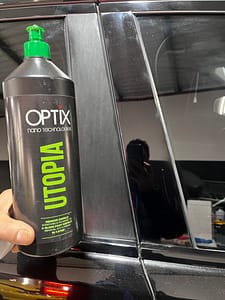
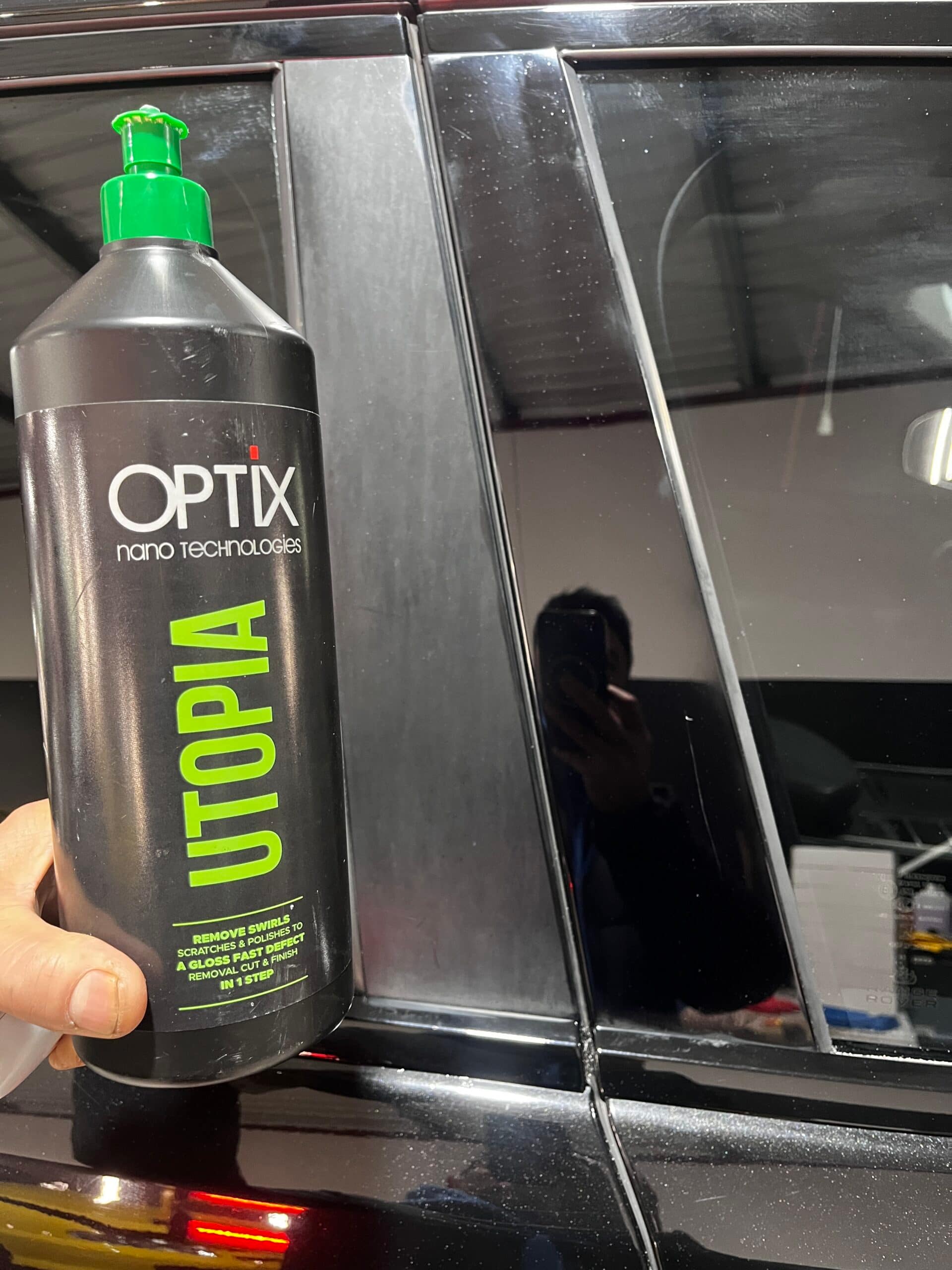
The exterior gloss black B-pillar trims on this approximately 10-year-old Range Rover had become dull and visually tired over time. These small panels sit directly beside the glass and paintwork, so once they lose clarity or become heavily marked, they can stand out much more than their size would suggest.
At AutoFX WA in O’Connor, we approached this as a trim-specific correction job rather than assuming every plastic surface could be polished in the same way. OPTiX Compound was used as part of the restoration process, beginning with inspection and a controlled test area before deciding how far the correction should reasonably go.
The important part with gloss black trim is not chasing every mark simply because it can be polished. The condition of the surface, the material, the amount of heat being generated and the depth of the defects all influence how much correction is sensible.
Why Gloss Black B-Pillar Trims Become Dull And Scratched
Gloss black exterior trims are very common on modern vehicles, particularly around the B-pillars between the front and rear doors. When clean and well maintained, they help give the side of the car a sharp and uniform finish.
Over time they may collect fine scratches, wash marring, oxidation and general weathering from normal use. Dry wiping, poor wash techniques, dirty towels and automatic car washes can all contribute to the surface becoming hazy or swirled.
On darker vehicles, and especially beside clean glass and paintwork, those defects tend to show up very clearly under direct light.
Why B-Pillar Trim Needs To Be Assessed Before Polishing
Not every black trim panel is made or finished in the same way.
Some exterior pillars are gloss plastic. Others may be painted, coated, textured, unpainted or covered with a delicate surface finish. Those materials can react very differently to heat, pressure and abrasives.
That means a method that works well on one Range Rover trim may not be suitable on another vehicle.
This is why we begin with inspection rather than assuming the correct answer is always more compound, more pressure or a more aggressive pad.
The surface in front of us decides the process.
Why A Test Spot Is Important
A test spot is one of the most useful steps in gloss black trim correction because it allows us to see how the material responds before working across the entire panel.
On this Range Rover, OPTiX Compound was used on a small controlled section first. That allowed us to judge whether the surface was responding appropriately, whether the level of correction was worthwhile and whether the technique needed to be adjusted before continuing.
A test area can also tell us when to stop.
If a defect is too deep or the surface is too delicate, continuing to chase it may create more risk than improvement. In that situation, leaving a small amount of marking behind can be the better long-term decision.
Using OPTiX Compound On Gloss Black Exterior Trim
OPTiX Compound was used as part of the correction process on this Range Rover because the trim responded well during the initial test area.
The compound is only one part of the job though. The result also depends on the pad, machine speed, pressure, working time and how frequently the surface is inspected during polishing.
Gloss black trim can be less forgiving than surrounding paintwork, particularly on smaller sections where heat can build quickly.
That is why controlled correction is more important than simply trying to remove every visible defect in one pass.
Heat Management Is Important On Small Plastic Panels
Small plastic trim sections can build heat much faster than larger painted panels.
This becomes especially important around edges, corners and narrow B-pillar sections where the polishing pad has less room to move.
Too much heat can affect the surface finish or make the material harder to control, so machine speed, pressure and polishing time all need to be managed carefully.
The surface should be checked regularly rather than polishing continuously and hoping the result will be acceptable at the end.
Clean Pads Make A Difference
Pad condition is another important part of trim correction.
Spent compound, contamination and removed residue can build up in the pad during polishing. If that material is repeatedly worked back into a small gloss trim section, it can reduce the quality of the finish and introduce further marking.
Keeping the pad clean and using the appropriate amount of product helps maintain a more controlled and consistent correction process.
What Gloss Black Trim Correction Can Improve
On suitable trim, polishing can reduce the visual impact of dullness, light wash marring, fine scratches and surface haze.
The goal is to improve clarity and bring the trim closer to the appearance of the surrounding glass and paintwork.
What it cannot do is repair every type of damage.
Deep scratches may remain. Cracked plastic, missing material, failed surface coatings or permanent UV damage cannot simply be polished away.
This is why realistic expectations are important before the job begins.
Why Chasing Every Scratch Is Not Always The Best Result
There is a point where additional polishing can produce very little visual improvement while increasing the risk to the surface.
On older trim, particularly where the exact thickness or construction of the finish is unknown, I would rather achieve a strong improvement and preserve the material than push the correction too far for the sake of removing one remaining mark.
The best result is not always the most aggressive result. It is the balance between improving the appearance and preserving the surface for the future.
Gloss Black B-Pillars Versus Painted Panels
Gloss black trim and painted panels can show similar defects, but they should not automatically be treated as the same surface.
Paint correction generally involves working within the clear coat of the painted panel, while exterior trim can have a completely different material and surface structure.
The general principles are similar though: inspect first, test the least aggressive method, control heat and pressure, and check the result frequently.
For broader paint correction information, visit our Paint Correction Perth page.
Maintenance After B-Pillar Restoration
Once gloss black trim has been improved, the wash method becomes important because these surfaces can mark again fairly easily.
I recommend avoiding dry wiping and using clean wash media with a gentle shampoo during normal maintenance.
A pH-neutral product such as OPTiX Wash & Gloss can be used as part of a regular wash routine, but the product itself is only one part of the process.
Clean towels, clean wash mitts and gentle drying are just as important if the aim is to reduce fresh wash-induced marring.
Can Ceramic Coating Protect Gloss Black Trim?
Depending on the surface and condition, ceramic coating may be suitable after correction to help with slickness, water behaviour and easier maintenance.
It is important to understand the limitations though. A ceramic coating will not make gloss black trim scratch-proof, and it will not stop poor washing from marking the surface again.
The coating can help with maintenance, but careful washing is still required.
For current coating information, visit our Ceramic Coating Perth page.
Why Surface Preparation Is Important Before Protection
Any protection added after correction should go onto a properly prepared surface.
If the trim is still heavily contaminated, greasy or carrying polishing residue, the final protection may not perform as intended.
This is the same principle we apply across paint correction and ceramic coating work. Preparation creates the foundation, while the protection is added afterwards.
Our article on applying OPTiX OP888 ceramic coating explains why controlled preparation and application are important before a protective product is installed.
Why This Range Rover Job Is A Good Example
This approximately 10-year-old Range Rover is a useful example because the problem was not major body damage or failed paint. It was a relatively small exterior trim area that had gradually become dull and marked enough to affect the overall presentation of the vehicle.
By inspecting the material first, carrying out a controlled test area and using OPTiX Compound with a measured correction approach, we were able to improve the appearance without treating the trim more aggressively than necessary.
Small details like gloss black B-pillars can have a surprisingly large influence on how a vehicle presents, particularly when the rest of the paint and glass are in good condition.
AutoFX WA Gloss Black Trim Correction Perth
AutoFX WA provides paint correction, exterior trim correction, ceramic coating and detailing from our O’Connor workshop in Perth.
Gloss black trim restoration is assessed individually because the material, age, surface condition and depth of the defects can all influence what is realistically achievable.
Some trims respond very well to controlled polishing, while others may only tolerate limited correction or may require replacement if the surface has failed completely.
For broader vehicle appearance work, visit AutoFX WA or our Paint Correction Perth page.
Final Thoughts
The gloss black B-pillar trims on this older Range Rover had become dull and visually tired, but the answer was not to simply polish them as aggressively as possible.
The condition and construction of the trim needed to be assessed first, followed by a controlled test area using OPTiX Compound to understand how the surface would respond.
Once we knew the trim could be improved safely, the correction was carried out with attention to pad condition, heat management, product quantity and surface preservation.
For me, that is the important part of this type of work. The product helps, but the result still comes from inspection, judgement and knowing how far the surface should reasonably be corrected.
Project gallery