
Removing old paint protection film can look simple from the outside, but the moment the work begins, the real story is usually found underneath the film.
Some PPF removes cleanly and calmly, almost as if it is ready to let go. Other film fights back. It may have hardened with age, gripped heavily to the panel, left adhesive behind, or been installed over paint that has had repairs at some point in the vehicle’s life.
That is why PPF removal should be treated with respect.
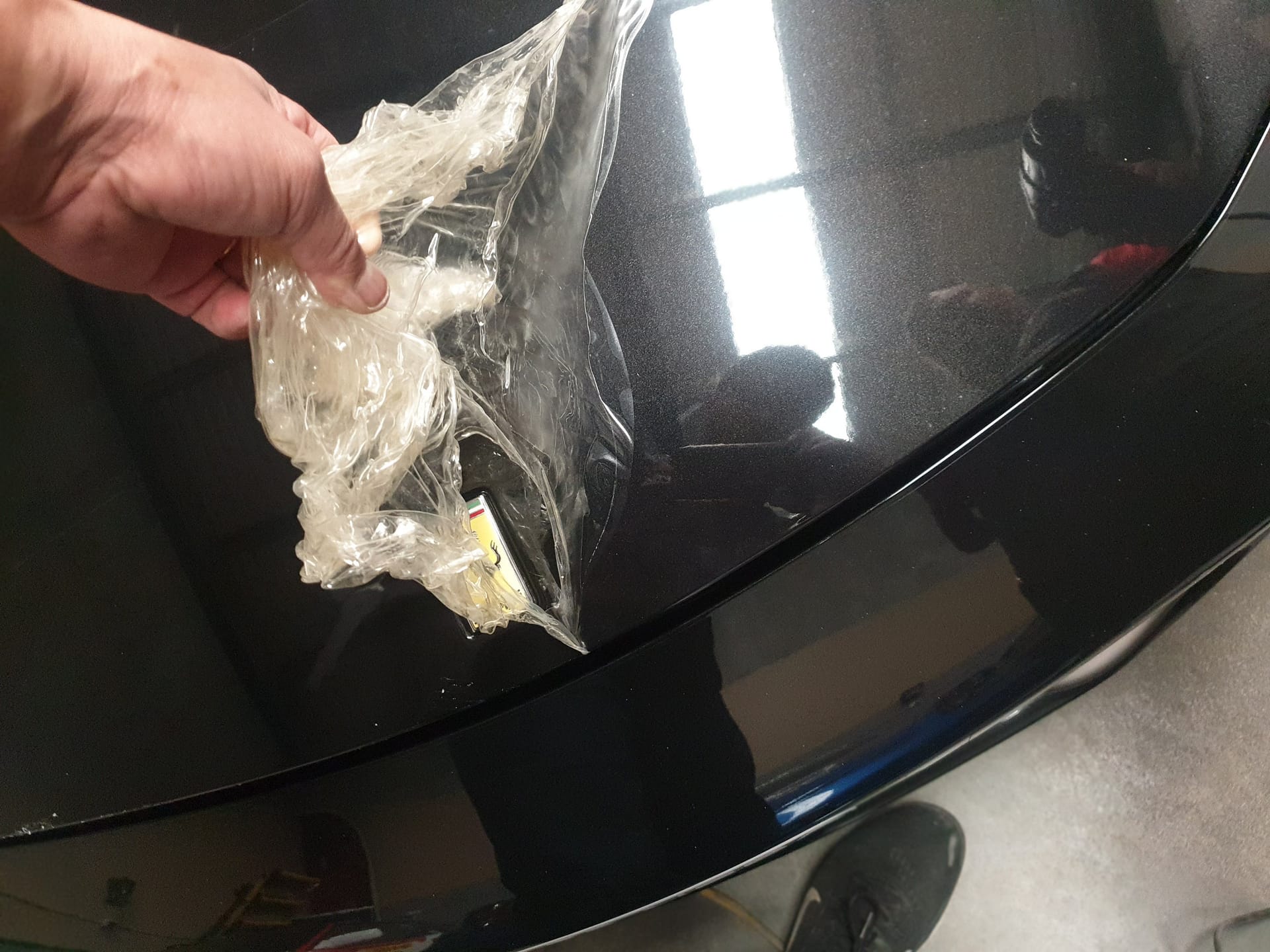
At AutoFX WA, we have removed paint protection film from a range of vehicles over the years, including high-value cars such as a Ferrari 458. The process is not about rushing, pulling hard and hoping for the best. It is about reading the film, reading the paint and using enough heat and patience to give the surface the best chance of staying safe.
Why Old PPF Removal Needs Care
Paint protection film is designed to bond to the surface and stay in place while the car is being used. That is exactly what makes it useful, but it is also what makes removal more involved once the film has aged.
As film gets older, the adhesive can become more stubborn. The film itself can become less flexible. Edges may lift, yellowing may appear, cracking can begin, and some sections may remove differently from others on the same vehicle.
This is why old PPF removal is not always predictable.
One panel may release nicely, while another panel may leave adhesive behind or require far more time. A bumper, bonnet, mirror cap or guard may all behave differently depending on the shape of the panel, the film used, the age of the installation and how the car has been stored.
Using Heat To Remove Paint Protection Film
Controlled heat is one of the most important parts of PPF removal.
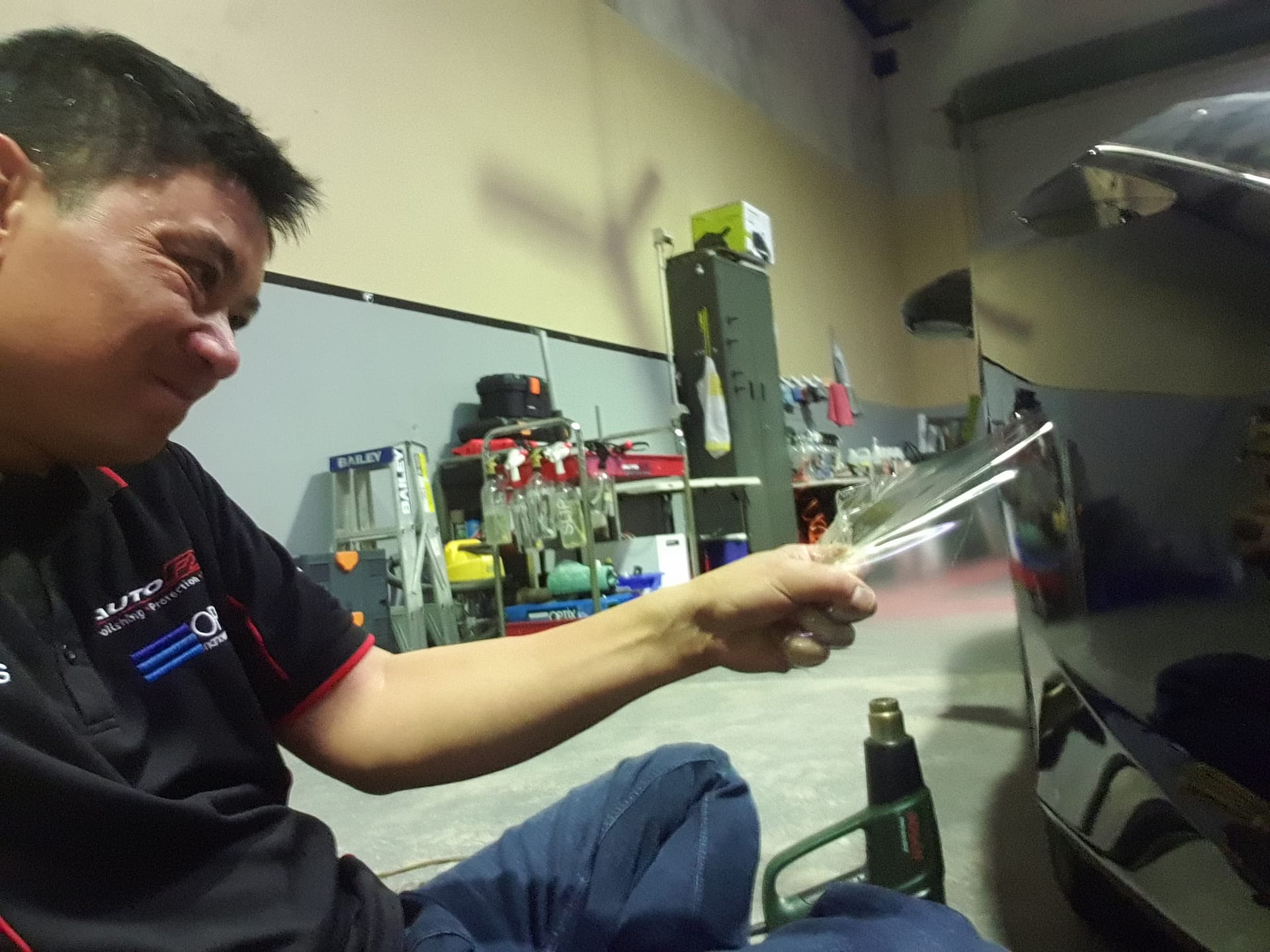
Heat helps soften the film and adhesive so the film can be lifted more carefully from the surface. Depending on the job, this may involve steam, hot water, warm conditions or controlled heat from suitable equipment.
The idea is not to attack the film with heat.
The idea is to soften it enough so it can be removed in a more controlled way.
Too little heat can make the film brittle and difficult to lift. Too much heat, used without judgement, can create its own problems. The balance comes from experience and from watching how the film reacts as it is being removed.
Removing The Film Slowly
Old PPF should usually be removed slowly and carefully, not ripped away from the panel.
Once an edge is lifted, the film needs to be pulled at a controlled angle while heat is used to help the adhesive release. The installer needs to watch the way the film stretches, the way the adhesive behaves and the way the paint underneath responds.
This is the part people often underestimate.
A small section of film can take longer than expected if the adhesive is stubborn or the film has hardened. If the film is old, poor quality, heavily weathered or has been on the car for many years, the removal process can become much more labour-intensive.
There are times when the job is not difficult because of the size of the film, but because of the condition of the film.
Adhesive Residue After PPF Removal
One of the most common issues with old film removal is adhesive residue.
Sometimes the film comes off but leaves glue behind on the paint. This residue then needs to be removed carefully without damaging the surface underneath.
Adhesive residue can be frustrating because it slows the job down and can make the panel look worse before it looks better. It may need suitable adhesive removal products, careful wiping, repeated cleaning and patience.
The important point is that glue removal should not become aggressive paint damage.
If the adhesive is stubborn, it still needs to be treated with care. Rushing this stage can create marks, haze or unnecessary stress on the paint.
The Risk Of Pulling Paint
One of the biggest concerns with PPF removal is the risk of pulling paint.
This does not happen on every car, and original factory paint is generally less risky than repaired paint, but the risk can never be ignored completely.
If a panel has been resprayed, repaired or poorly prepared before film was installed, the bond between the paint layers may not be as strong as it should be. When old film is removed, especially if the adhesive is strong, there is a chance that weak paint can lift with the film.
This is not always something that can be seen from the outside before removal starts.
A car may look fine with the film still on it, but once the removal begins, previous repairs or weak paint can reveal themselves. This is why honest expectations matter before old film comes off.
Original Paint Versus Repainted Panels
Original factory paint and repainted panels can behave very differently during film removal.
Factory paint is generally more consistent, because it was applied and cured as part of the vehicle’s original manufacturing process. Repainted panels can vary depending on the quality of the repair, the preparation, the paint system used and how long the paint cured before film was installed.
A high-quality repair may be fine.
A poor repair can be a problem.
The difficulty is that the film does not always tell you what is underneath until removal begins. This is why older PPF removal should be approached with care, especially on vehicles that may have had previous paintwork.
Ferrari 458 PPF Removal Experience
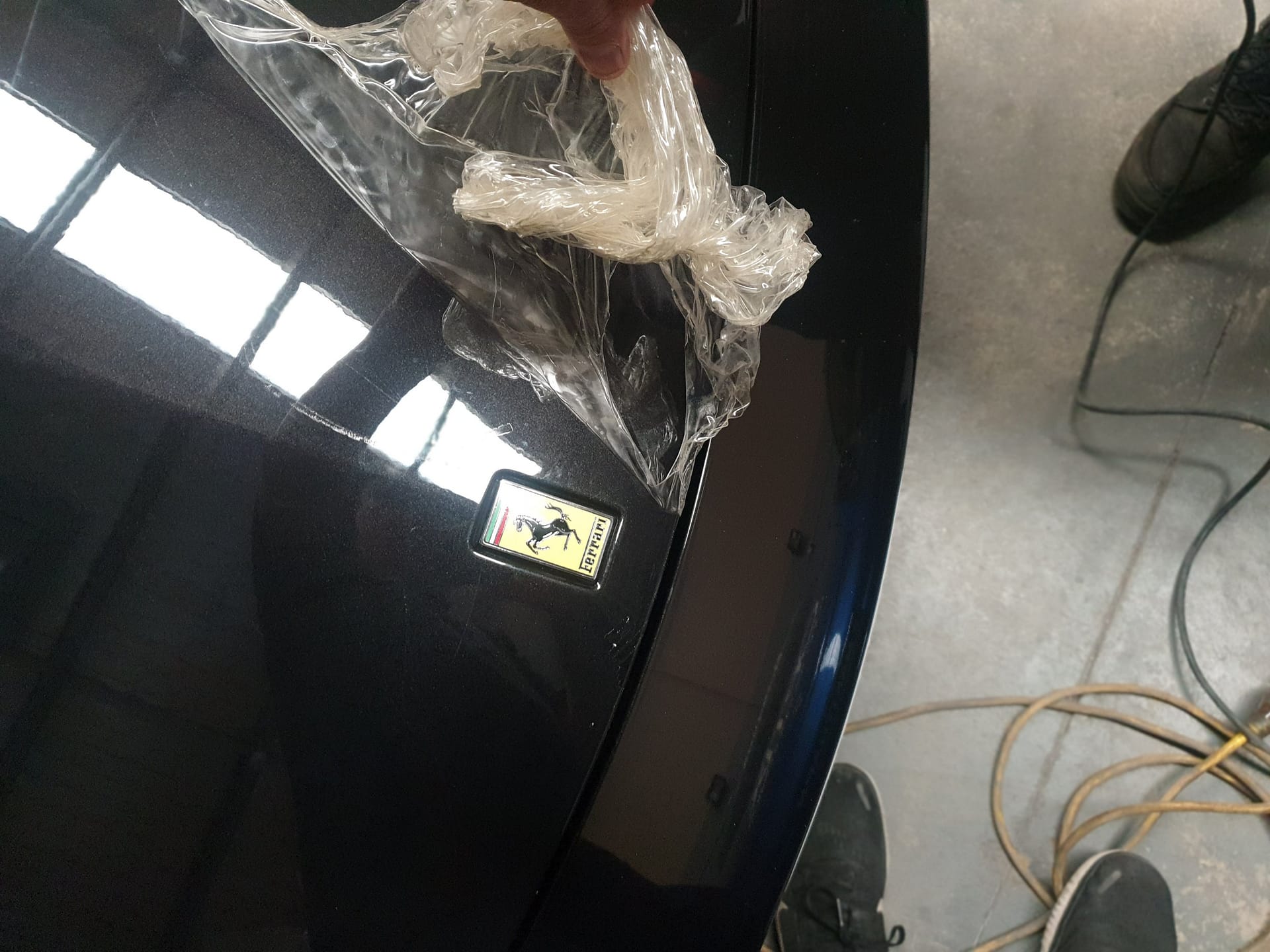
One of the older examples from AutoFX WA involved removing paint protection film from a Ferrari 458.
A car like that naturally demands patience. The value of the vehicle, the shape of the panels and the importance of the paint all make the removal process something that needs to be handled calmly and carefully.
The lesson from this kind of work is simple. Whether the car is a Ferrari, a Holden, a 4WD or a daily driver, the same principle applies.
The film needs to be removed in a way that respects the paint underneath.
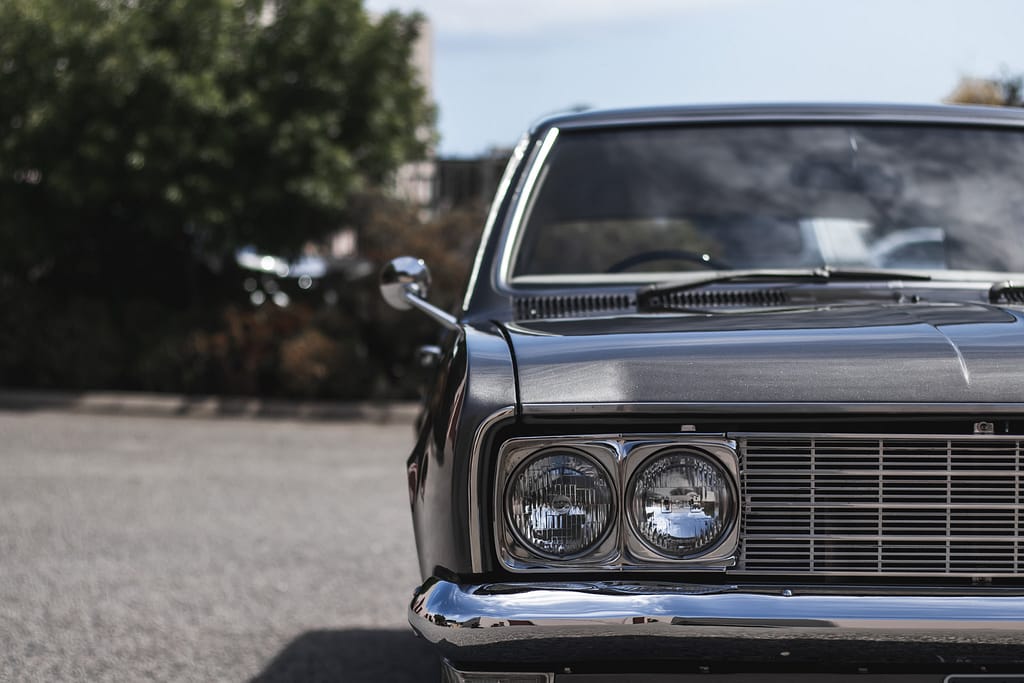
The badge on the bonnet might change, but the risk, the process and the need for care remain the same.
Old Film Can Become Harder To Remove
Paint protection film has a working life.
As it ages, it can become harder to remove cleanly. Sun exposure, heat, outdoor parking, poor maintenance and lower-quality film can all affect how the film behaves over time.
Old film may come away in large sections, or it may break into smaller pieces. It may release cleanly, or it may leave adhesive behind. It may still look reasonable from a distance, but once removal starts, the film may show how much it has aged.
This is why leaving damaged or failing PPF on a car for too long can make the removal process harder later.
Signs Old PPF May Need Removing
There are a few common signs that paint protection film may be ready to come off or be replaced.
The film may start to yellow, crack, lift at the edges, hold dirt along the borders, lose clarity, become rough to the touch or look dull compared with the surrounding paint.
Sometimes the owner simply wants to remove old film because the car is being prepared for polishing, coating, sale or replacement film.
Whatever the reason, the condition of the film should be assessed properly before the job begins.
PPF Removal Is Not Always A DIY Job
Some people can remove small pieces of film at home, especially if the film is new and easy to lift. However, old PPF is a different story.
If the film is aged, cracked, heavily bonded or installed over unknown paintwork, the risk increases. Pulling too hard, using too much heat, scraping the surface or using the wrong chemicals can quickly turn a film removal job into a paint repair problem.
This is why professional removal is often the safer choice, especially on valuable vehicles, repainted panels or film that has clearly aged.
The cost of careful removal is usually easier to deal with than the cost of repairing damaged paint.
What Happens After PPF Is Removed?
Once the film is removed, the paint underneath needs to be inspected.
Sometimes the surface looks very good because the film has protected it for years. Other times there may be adhesive residue, edge lines, light marks, staining, water spotting or a difference between the protected and unprotected areas.
The next step depends on what is found.
The paint may only need cleaning. It may need adhesive removal. It may need machine polishing to improve gloss and remove light marks. In some cases, if paint has lifted or damage is found, repairs may need to be discussed.
Removing the film is only one part of the job. The condition of the surface afterwards decides what happens next.
Paint Correction After PPF Removal
Paint correction may be needed after old film is removed.
This can help clean up light haze, adhesive marks, wash marks or differences in gloss between covered and uncovered areas. It can also prepare the paint for new film, ceramic coating or general presentation.
However, paint correction should still be done with judgement.
The goal is not to over-polish the car just because film has been removed. The goal is to inspect the paint and correct what can be improved safely.
For polishing and surface preparation, see Paint Correction Perth.
Replacing Old PPF
Once old film has been removed, some owners choose to replace it with new paint protection film.
This can make sense if the car is still being driven regularly, if the owner wants stone chip protection, or if the old film has done its job and is now due for replacement.
Modern PPF can offer good clarity, self-healing behaviour and practical impact protection when installed properly.
It still needs realistic expectations, but it remains one of the best options for protecting high-impact areas such as front bumpers, bonnets, guards, mirrors, headlights, door cups and sills.
For current film options, see Paint Protection Film Perth.
PPF Removal And Ceramic Coating
Some owners remove old PPF before applying ceramic coating.
This can be part of a fresh detail or protection package, but it is important to understand the difference between the two products.
PPF is a physical film that helps protect against stone chips, road rash and light abrasion. Ceramic coating helps with gloss, slickness, water behaviour and easier maintenance.
If old film is removed and not replaced, the paint may look cleaner and glossier after correction and coating, but it will no longer have the same physical stone chip protection in those areas.
That is why the right choice depends on how the car will be used.
For current coating options, see Ceramic Coating Perth.
Why This PPF Removal Page Still Matters
This older AutoFX WA page is worth keeping because it answers a real question that car owners still have.
People often think about installing PPF, but they do not always think about what happens years later when the film needs to be removed.
Old film removal is part of the life cycle of paint protection film. If the film has aged, yellowed, lifted, cracked or simply reached the end of its useful life, it needs to come off carefully.
That process matters because the goal is not only to remove the film.
The goal is to protect the paint underneath while removing it.
A Practical Approach To Old PPF Removal
Old paint protection film removal is a job that rewards patience.
The film needs to be warmed, lifted, watched and removed carefully. The adhesive needs to be dealt with properly. The paint underneath needs to be inspected before deciding what should happen next.
Some jobs are straightforward.
Some are slow and frustrating.
Some reveal previous paintwork or damage that was not obvious while the film was still on the car.
That is why careful removal and honest expectations are so important.
Related AutoFX WA Services
For vehicle protection and surface preparation, AutoFX WA offers Paint Protection Film Perth for new film installation and replacement options, Paint Correction Perth for polishing after film removal where required, Ceramic Coating Perth for gloss and easier maintenance, and Car Detailing Perth for careful cleaning and presentation.
Final Thoughts
Removing old paint protection film is not just about peeling plastic from a car.
It is about understanding the age of the film, the strength of the adhesive, the condition of the paint and the risk that may be hiding underneath.
When the film comes off cleanly, the process can look easy. When it does not, patience and experience matter.
That is why PPF removal should be handled carefully, especially on valuable vehicles, restored cars, repainted panels or older film that has started to fail.
The aim is simple: remove the film, respect the paint and then decide the right next step for the vehicle.