The Hidden Costs Behind Professional PPF Installation
When people look at the price of paint protection film, it is easy to think the main cost is simply the roll of PPF and the time it takes to install it.
There is a lot more going on behind the scenes.
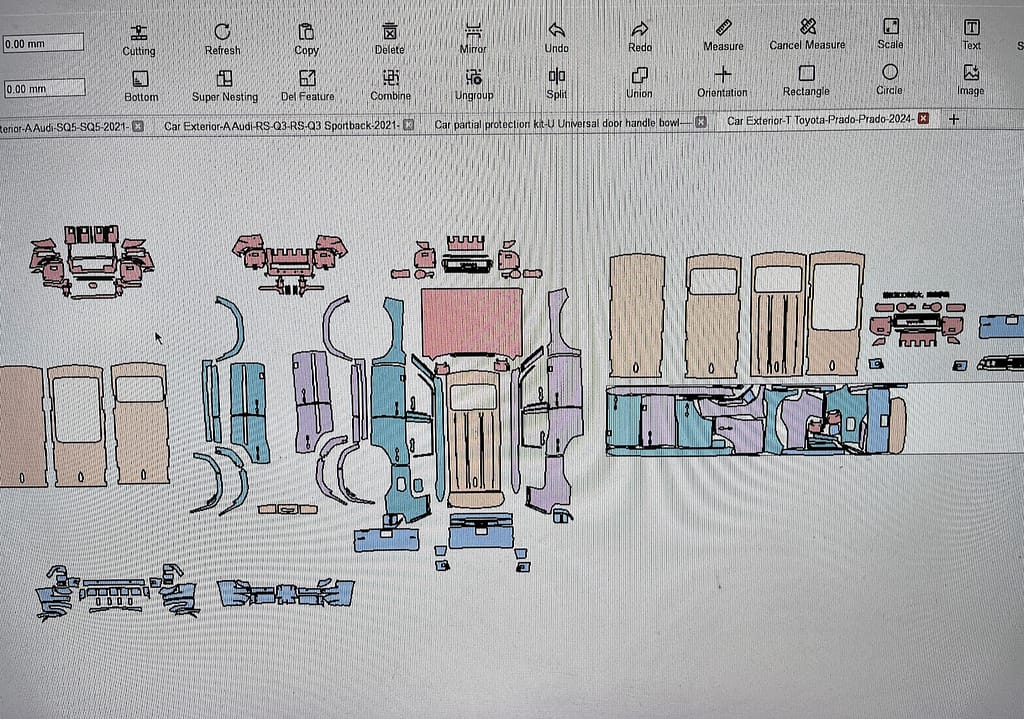
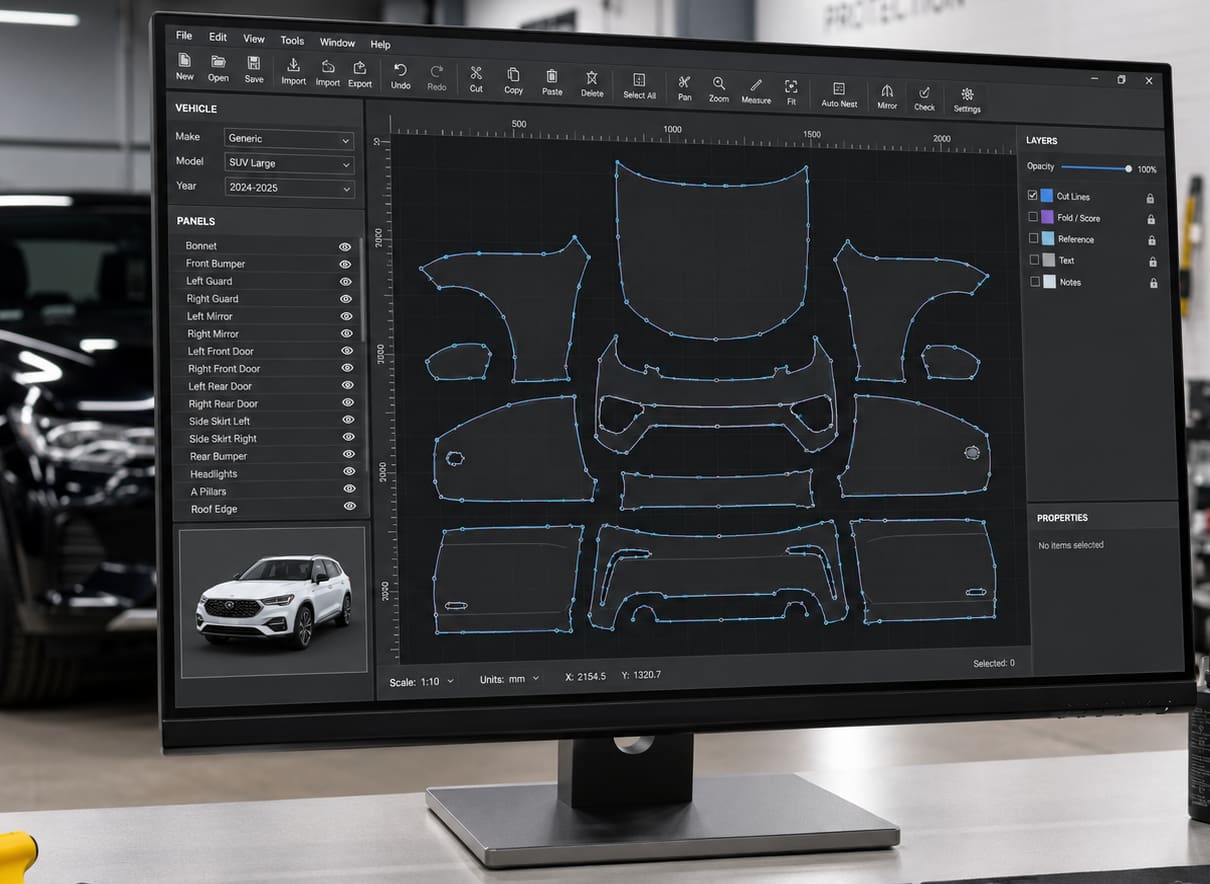
One of the unavoidable costs for a professional installer is access to PPF pattern software. The software shown in the photo is what we use to open, edit, scale, ungroup and prepare vehicle templates before they are sent to the plotter for cutting.
PPF Template Software Is an Ongoing Cost
Depending on the software provider, professional template subscriptions can cost roughly $150 to $250 AUD per month.
That means the installer is paying for pattern access whether the workshop cuts one vehicle that month or dozens.
For common vehicles, good templates can save a huge amount of time and reduce the need to cut directly on the car. For very new models, though, the exact pattern we need is not always available, which is where the software becomes more than just a library.
We may need to ungroup sections, resize a pattern, modify edges or use measurements taken directly from the vehicle to create something that will work.
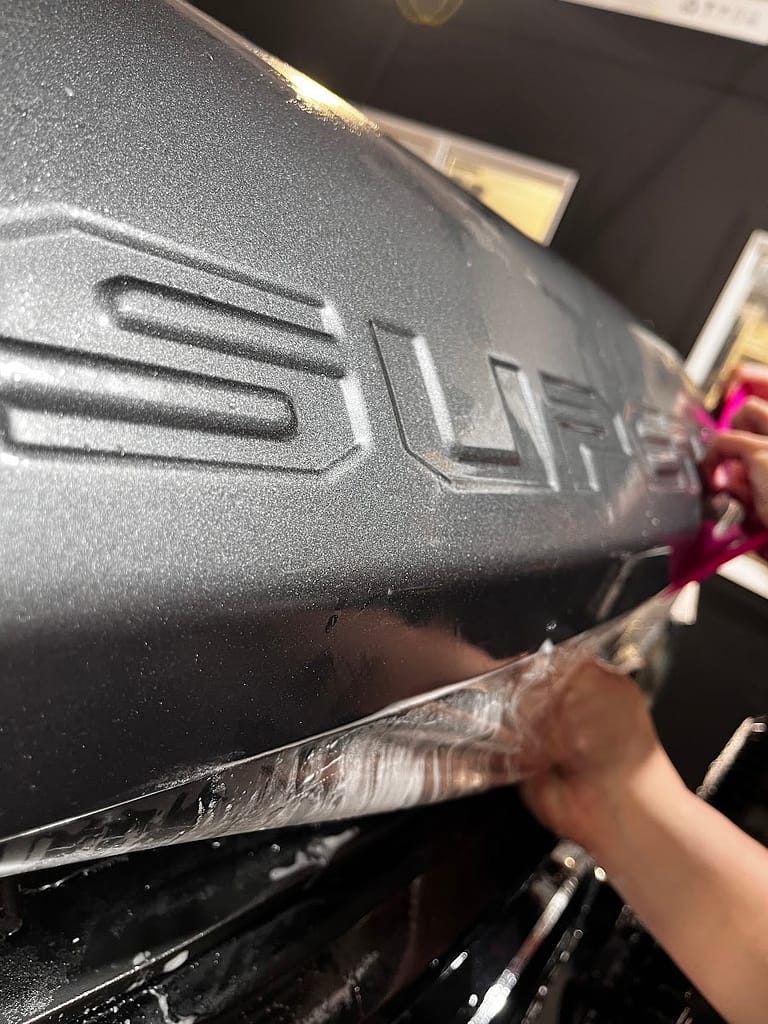
That was exactly how we solved the rear tailgate garnish problem on a new Ford F-350 Tremor when no suitable global template was available.
Learn more about our Paint Protection Film installation in Perth.
The Plotter and Cutting Process
Once the template is prepared, the film still needs to be cut accurately on a plotter.
The plotter itself is another piece of equipment that needs to be purchased, maintained and kept accurate. Blades wear out. Cutting strips wear out. Software needs updating. Templates need checking before valuable film is loaded.
Getting this stage wrong can mean wasting a piece of PPF before it even reaches the car.
Material Waste Is Part of the Job
The second photo shows something customers rarely see: the amount of pre-cut material involved in a larger PPF installation.
Not every square metre of a roll ends up on the vehicle.
Templates need spacing. Some panels require oversized pieces. There are offcuts, test pieces and sections that may need to be recut if the pattern or material does not behave as expected.
With premium thick films, especially 8.5 or 10 mil PPF, material waste can become expensive very quickly.
This is one reason a professional PPF quote cannot simply be calculated by looking at the amount of visible painted area on the car.
Why Pre-Cut Templates Are Still Worth It
Even with the extra software cost, we prefer computer-cut templates wherever they suit the job.
They reduce unnecessary blade work on the vehicle, improve repeatability and give us a controlled starting point before installation.
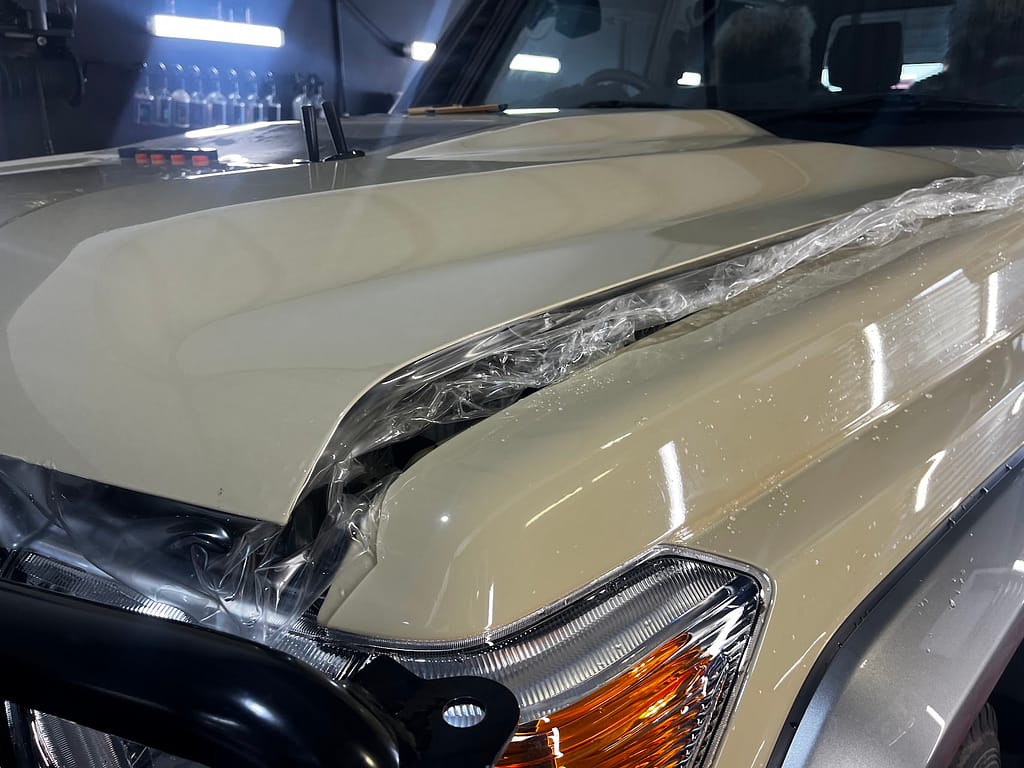
There are still situations where a pattern needs to be modified or a final edge needs to be trimmed after installation, but the aim is always to reduce unnecessary risk to the customer’s paint.
What You Are Actually Paying For
A proper PPF installation includes far more than the film itself.
The price has to cover the film, template software, plotter equipment, blades and consumables, preparation time, pattern modification, installation labour, material waste and the experience needed to recognise when a standard template simply is not good enough.
At AutoFX WA in O’Connor, we would rather explain those costs honestly than pretend PPF is just a sheet of plastic being stuck to a car.
The value is in getting the protection onto the vehicle accurately, cleanly and with as little unnecessary risk as possible.
You can read more real workshop PPF stories in the AutoFX WA blog or view our Paint Protection Film service.