Not every paint protection film job starts with a ready-made pattern.
Sometimes the part is unusual. Sometimes the software does not have the template. Sometimes the vehicle is older, modified, newly released or has a trim piece that simply is not available in the pattern library.
That is where custom PPF pattern work can become useful.
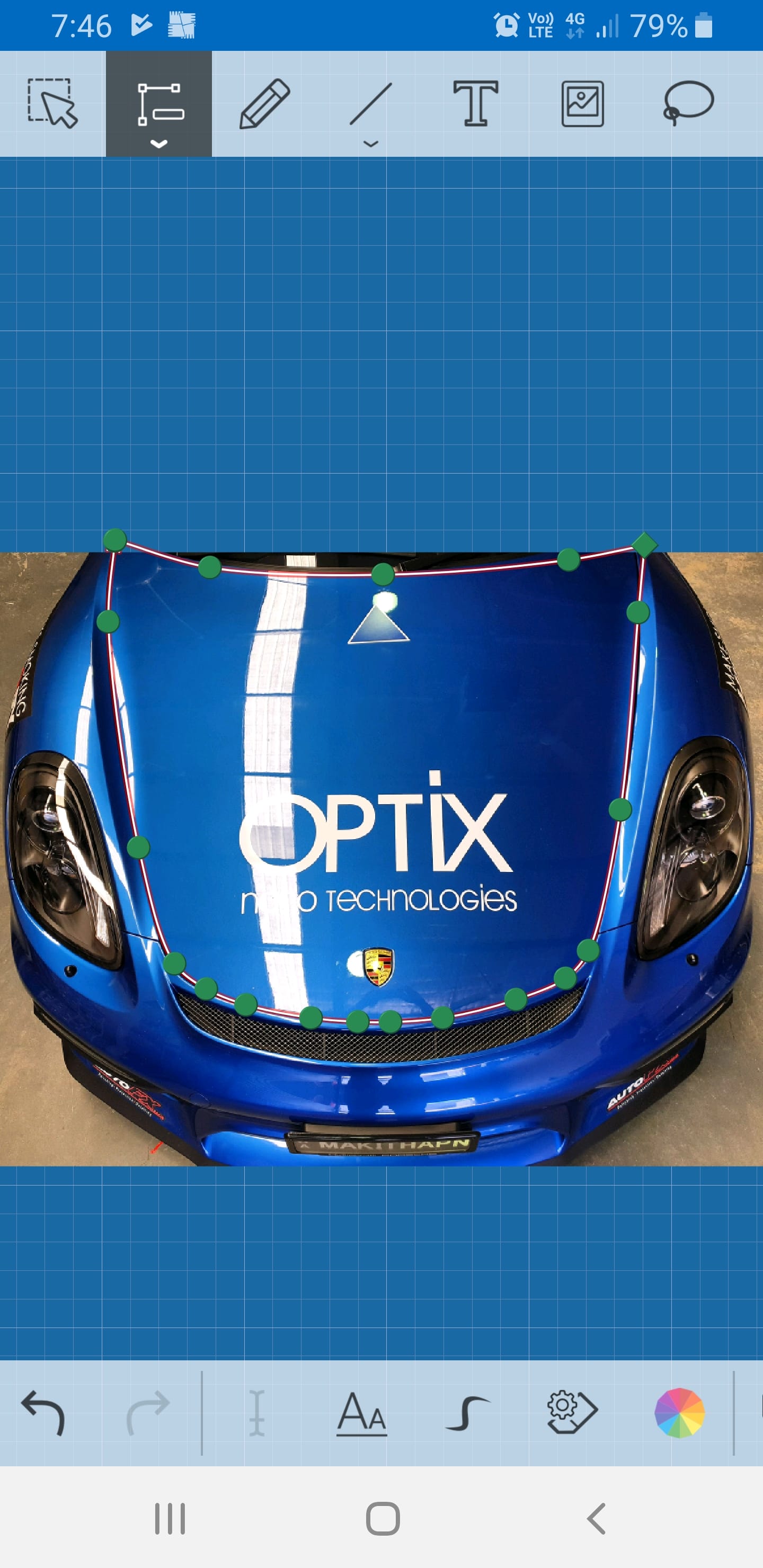
At AutoFX WA, custom paint protection film patterns have been created by using photo reference, hand-drawn patterns, vector software, scaling, test cutting and plotter-cut film. It is not always the fastest way to complete a job, but when the part needs protection and there is no suitable template available, it can be a practical solution.
This page explains the basic process and why custom PPF pattern work takes time.
What Is A Custom PPF Pattern?
A custom PPF pattern is a film template made specifically for a part, trim piece or panel when a standard pre-made pattern is not available or not suitable.
Instead of cutting the film by hand directly on the vehicle, the shape can be created digitally and cut with a plotter or film cutter. This allows the film to be shaped more accurately before installation.
The pattern may be made from a photo, a scan, a hand-drawn template or a measured reference taken from the part itself.
The aim is to create a film shape that suits the part without relying on guesswork.
Why Custom PPF Patterns Are Needed
Many modern vehicles have software patterns available for common areas such as bonnets, bumpers, guards, mirrors, headlights, door cups and sills.
However, not every part is available.
Interior trims, gloss black panels, centre console pieces, custom body parts, older vehicles, rare vehicles and newly released models may not have a ready-made template. In those cases, custom pattern work may be the only way to create a clean film shape without cutting directly on the surface.
This can be especially useful for gloss black trim, painted interior pieces, piano black panels and small areas that are easily scratched through normal use.
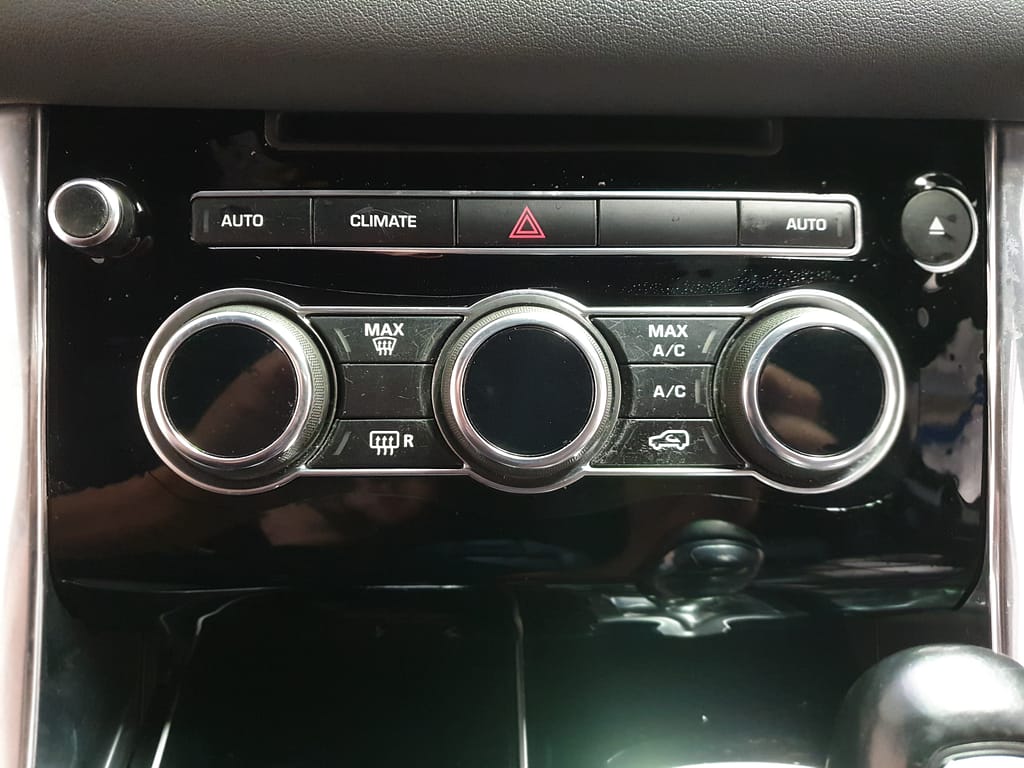
The Range Rover Climate Control Panel Example
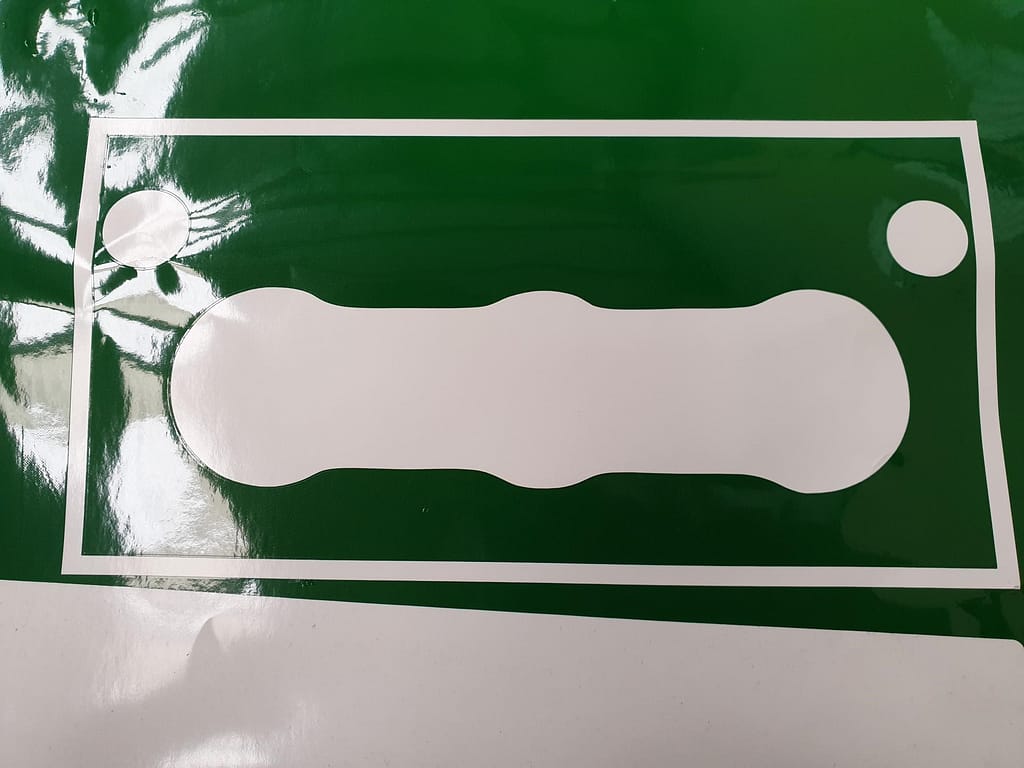
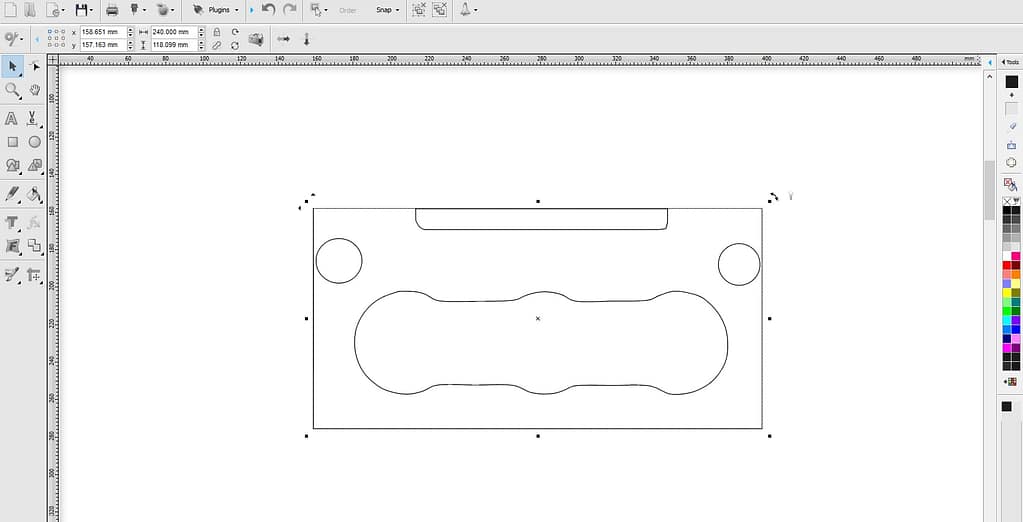
One of the older AutoFX WA examples involved creating a custom PPF pattern for a Range Rover climate control panel.
This type of part is a good example because it is not a large exterior panel like a bonnet or bumper. It is a smaller, more detailed piece where a standard template may not be available.
Interior gloss trim can mark very easily. Fingernails, jewellery, wiping, dust and regular contact can all leave fine scratches over time.
Using film on a part like this can help protect the surface, but the shape needs to be right. If the pattern is not accurate, the film may not sit properly, the edges may look untidy or the finished result may not suit the part.
Starting With A Photo Or Hand-Drawn Pattern
The first step in custom pattern work is usually creating a reference.
This may be done with a clear photo, a hand-drawn 2D pattern, a traced outline or measurements taken from the part. The better the reference, the better the starting point for the digital pattern.
A photo can be useful, but it needs to be taken carefully. If the photo is angled, distorted or taken too close, the shape may not scale correctly. That can create problems later when the pattern is cut and tested.
A hand-drawn pattern can also be useful, especially when it is taken directly from the part and then refined digitally.
Creating The Vector File
Once the basic shape has been captured, the next step is to create a vector file.
A vector file is different from a normal image because it uses lines and shapes that can be scaled and cut accurately. This is important for plotter-cut PPF because the film cutter needs a clean path to follow.
The shape is traced, cleaned up and adjusted in vector software until it becomes a usable digital pattern.
This part of the process can take time because small errors in the digital file can become visible once the film is cut and placed on the part.
Scaling The Pattern To The Real Part
Creating the shape is only part of the job.
The pattern also needs to be scaled to the real part.
If the pattern is even slightly too large, the film may overlap edges, bunch up or fail to sit correctly. If it is too small, it may leave too much of the surface exposed. On small trim pieces, even a few millimetres can make a noticeable difference.
This is why scaling is an important step.
The digital file needs to match the physical part as closely as possible before the final film is cut.
Using Plotter Software
After the vector file is created, it can be imported into plotter or signwriting software.
This software controls how the cutter reads the file and cuts the shape from the material. The file may still need adjusting at this stage, especially if the line thickness, scale or cut path needs to be refined.
The goal is to create a clean, usable cut line that works with paint protection film.
PPF is not the same as normal sign vinyl. It has thickness, stretch, surface tension and installation behaviour that need to be considered when creating the pattern.
Test Cutting Before Using PPF
Before cutting the final pattern from paint protection film, it is often better to do a test cut.
A test cut helps confirm whether the shape is close enough before wasting actual PPF. It allows the pattern to be checked against the part and adjusted if needed.
This step can save time and material in the long run.
It also helps avoid forcing a pattern to fit when the digital shape is not quite right.
Why Custom Pattern Work Takes Time
Custom PPF pattern work can take longer than people expect.
Even a small pattern may take several hours once the reference, tracing, file creation, scaling, test cutting and adjustment are taken into account. The size of the part is not always what determines the labour.
A small interior trim piece can be more time-consuming than a larger, simpler shape if the part has curves, tight edges, unusual angles or no reliable reference.
This is why custom pattern work is not always cheap or quick.
The time is in the measuring, designing, testing and refining before the final film is installed.
Why Repeated Patterns Can Be Better Value
Custom pattern work becomes more efficient when the same pattern can be used more than once.
If a pattern is created for one vehicle and then used again on another identical part, the time spent creating the file becomes more worthwhile. This is why custom pattern work can make more sense when there are multiple vehicles, repeated parts or a common problem area that will be protected more than once.
For a one-off small part, the labour involved may be harder to justify.
For repeated work, the pattern can become a useful file that saves time later.
Custom PPF Is Not Always The Best Option
Custom film cutting is useful, but it is not always the right answer for every job.
Some parts may be better protected with a hand-cut installation. Some may not be worth the time involved. Some may be too complex for a clean pattern to make sense. Others may already have a good software template available, which would usually be the better starting point.
The right approach depends on the part, the surface, the value of the protection and the time required to make the pattern properly.
Good PPF work is not only about being able to make a pattern. It is about knowing when making a pattern is worth doing.
Why Gloss Black Trim Is A Common Candidate
Gloss black trim is one of the most common reasons custom PPF patterns may be considered.
Piano black trims, pillar trims, console pieces and interior gloss panels can mark very easily. They often show fine scratches, towel marks and fingerprints more clearly than other surfaces.
Film can help protect these areas, but the installation needs to look clean. A rough edge or poor fit on gloss black trim can stand out quickly.
This is why accurate patterns matter on small trim pieces.
PPF For Interior Trim
Paint protection film is not only used on exterior panels.
It can also be used on selected interior trim pieces where the surface is easily marked and the shape allows for a suitable installation.
Interior film work can protect areas such as gloss black console trims, touch points, door trims and other high-contact surfaces.
However, interior parts can be more complicated than they look. Edges, curves, buttons, switches, tight gaps and texture changes can all affect how well the film sits.
That is why custom interior PPF work needs to be assessed case by case.
Custom Patterns And Paint Protection Film Perth
Custom pattern work is part of the wider paint protection film process.
Most customers will not need a custom vector file for every job. Many common PPF areas can be handled with existing software patterns or careful installation methods.
However, custom pattern creation is useful when the part is unusual or when there is no suitable template available.
It shows the problem-solving side of PPF work.
For current film options and coverage areas, see Paint Protection Film Perth.
Why This Custom PPF Pattern Page Still Matters
It’s a great cost saving DIY system for small parts.
This older AutoFX WA page is worth keeping because it shows a behind-the-scenes part of paint protection film work that many customers never see.
PPF is not always just a roll of film and a squeegee.
Sometimes it involves software, file creation, scaling, test cutting and problem solving before the film ever touches the car.
That kind of work helps explain why certain custom PPF jobs take time and why they need to be priced properly.
A Practical Approach To Custom PPF
Custom PPF pattern creation is useful when it solves a real problem.
If a part is worth protecting and no suitable pattern exists, creating a custom vector file can be the right approach. But it needs time, testing and accurate scaling to get right.
The aim is not to make the process sound more complicated than it needs to be.
The aim is to explain that good custom film work takes patience before the installation even begins.
Related AutoFX WA Services
For vehicle protection and film work, AutoFX WA offers Paint Protection Film Perth for high-impact exterior areas and selected custom film work, Paint Correction Perth for surface preparation where required, Ceramic Coating Perth for gloss and easier maintenance, and Car Detailing Perth for careful cleaning and presentation.
Final Thoughts
Making custom PPF patterns is not always fast, and it is not always necessary.
But when a part needs protection and there is no ready-made template available, custom vector pattern work can be a very useful option.
The process takes reference, tracing, scaling, test cutting and adjustment before the final film is installed.
That is why custom PPF work should be approached with patience and realistic expectations.
When it is done for the right reason, it can protect parts that would otherwise be difficult to cover cleanly.
This is the line drawing made by hand on the software and saved without the photo layer (.PNG)
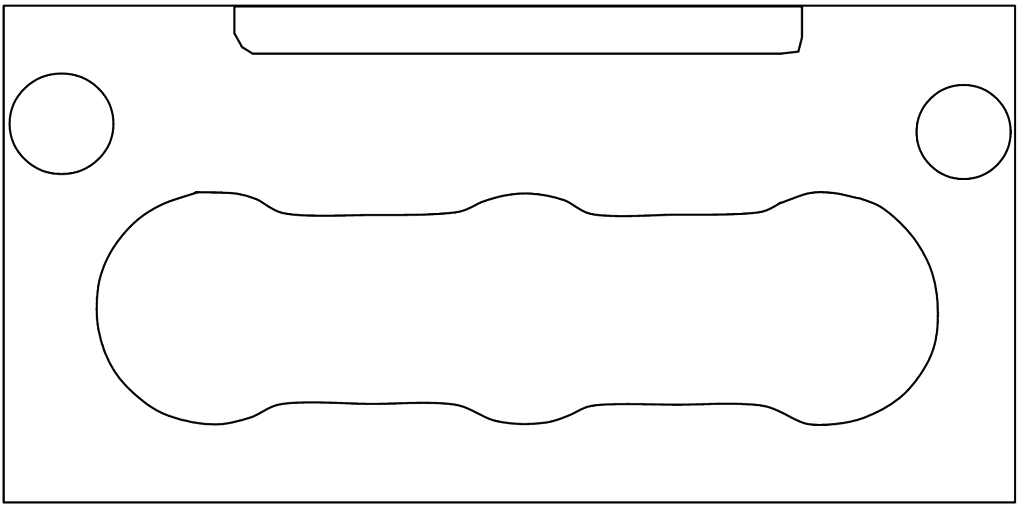
The image is then imported into the Sign writing software and the vector trace is made (CNC)
Now we make a draft cut with the plotter before we try it on the PPF material