The Technical Reality of Guard Rolling Ford Falcon Utes (AU to FG)
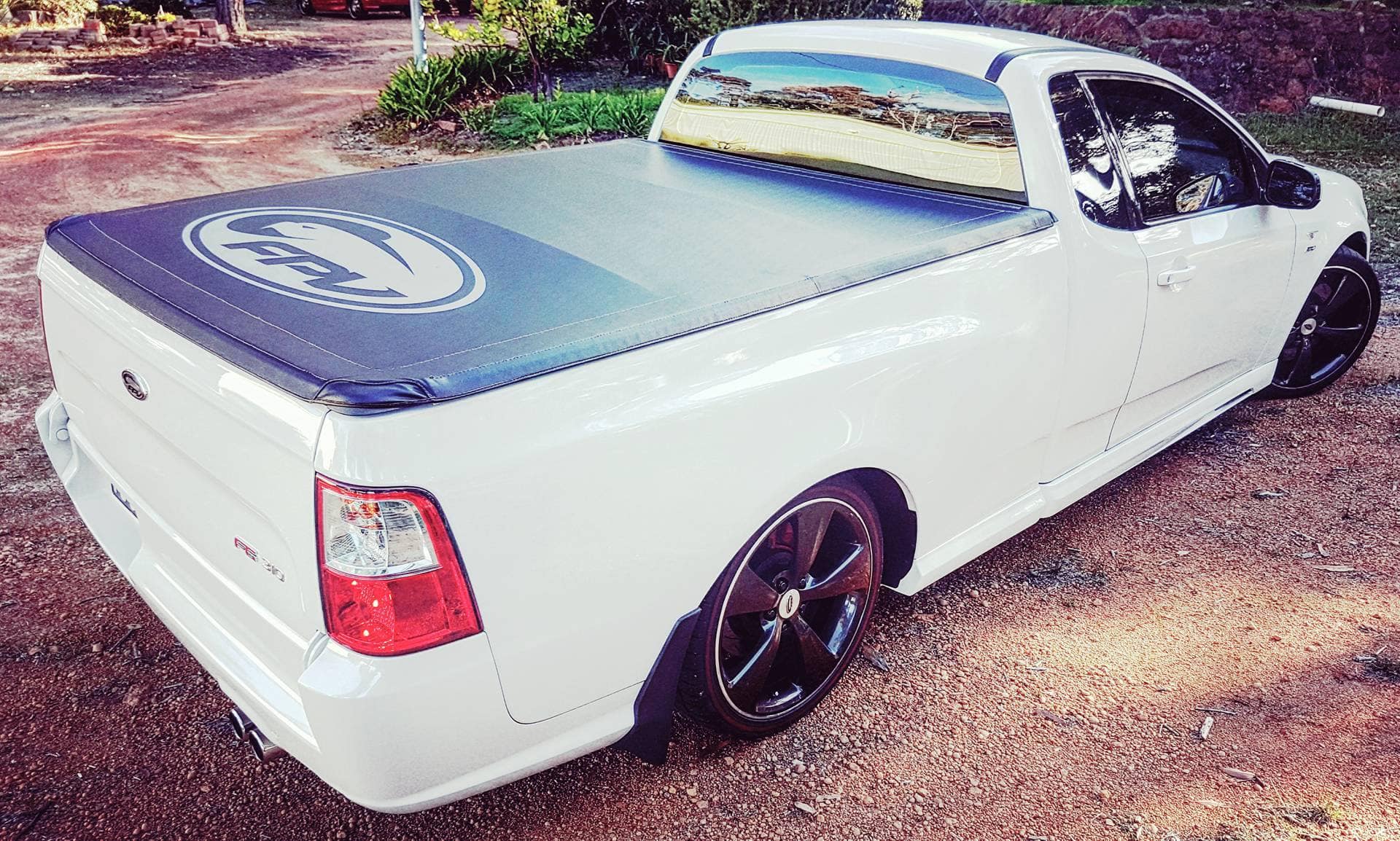
Within the Australian car enthusiast community, lowering a vehicle and fitting wider wheels is a standard rite of passage. However, when owners of Ford Falcon utes—spanning the AU, BA, BF, and FG generations—attempt to clear tyre rub by sourcing a professional guard rolling service, they almost instantly hit a brick wall. Most reputable modification workshops will flatly refuse the job.
This refusal is not driven by a lack of willingness; it is dictated entirely by the underlying structural engineering of the vehicle substrate.
Unlike a standard passenger sedan where the inner wheel arch lip consists of a simple, malleable sheet metal return, the rear quarter panels of a Ford Falcon ute are built to completely different load-bearing specifications. To support the utility tray and maintain the torsional rigidity of the rear section, Ford integrated a heavy-duty, double-layered metal reinforcement plate directly inside the lip of the rear wheel arches.
The Mechanics of the Failure Loop
Standard guard rolling relies on a specialized roller assembly bolted to the wheel hub that applies progressive, mechanical pressure to fold the inner sheet metal lip flat against the outer panel. Attempting to deploy this process on an AU-FG Falcon ute results in severe complications:
-
The Reinforcement Barrier: The internal reinforcement plate is far too thick to be manipulated by standard progressive roller pressure.
-
Spot-Weld Anchoring: This support panel is permanently secured to the outer skin lip by factory spot welds.
-
Panel Distortion: If an installer attempts to force the lip with extreme pressure, the energy does not bend the lip cleanly. Instead, it transfers directly up the quarter panel, causing massive structural kinking, buckling, and irreversible exterior cosmetic distortion from fine dirt caught between the 2 layers causing pimples.
Some owners inquire whether drilling out the factory spot welds or cutting away parts of the internal plate can bypass this issue. Mechanically, drilling out the welds will release the plate, but it introduces a fatal flaw. The entire outer quarter panel skin relies on these precise anchoring points for structural stability. Removing them creates severe, unanchored weak points in the metal sheet, causing the panel to flex, vibrate, and inevitably kink or oil-can under normal driving vibrations.
Alterative Technical Pathways
For owners determined to clear wider wheel offsets on these specific utility vehicles, conventional rolling must be completely ruled out. The only viable path forward is an aggressive mechanical modification sequence executed through a specialized panel shop:
-
Precision Lip Trimming: Sectioning and cutting back the inner metal lip past the factory return profile. (The safest option)
-
Structural Re-Bonding: If the cut penetrates past the factory spot-welded depth, leaving the outer guard entirely loose. To rectify this, the two distinct panels must be immediately bonded with high-tensile panel adhesive for some structural support.
At AutoFX WA, our overarching operational philosophy is anchored in transparency and long-term asset value. We prefer to arm our clients with absolute technical realities rather than taking shortcuts that permanently ruin quarter panel alignment.
The Honest Conclusion
True modification optimization requires respecting the physical limitations of material science. Conventional guard rolling on the rear of an AU, BA, BF, or FG Ford Falcon ute is structurally impossible without incurring extensive panel distortion. If you require maximum clearance, skip the rolling tools entirely and invest in a specialized panel fabricator capable of cutting, re-welding, and chemically bonding the split layers back to structural equilibrium.
You may find these links useful in relation to this blog:
📍 AutoFX WA Detailing Workshop – Unit 21, 5 Hines Road, O’Connor 6163
📞 Call Des or Seth on 0452525041