2026 BMW X3 M50 Paint Correction and Ceramic Coating Perth
Brett brought his brand-new 2026 BMW X3 M50 to AutoFX WA after having ceramic coating applied through the dealership. The coating itself appeared to have been applied reasonably well, so this was not a case of simply blaming the product or suggesting that the whole job had been badly done.
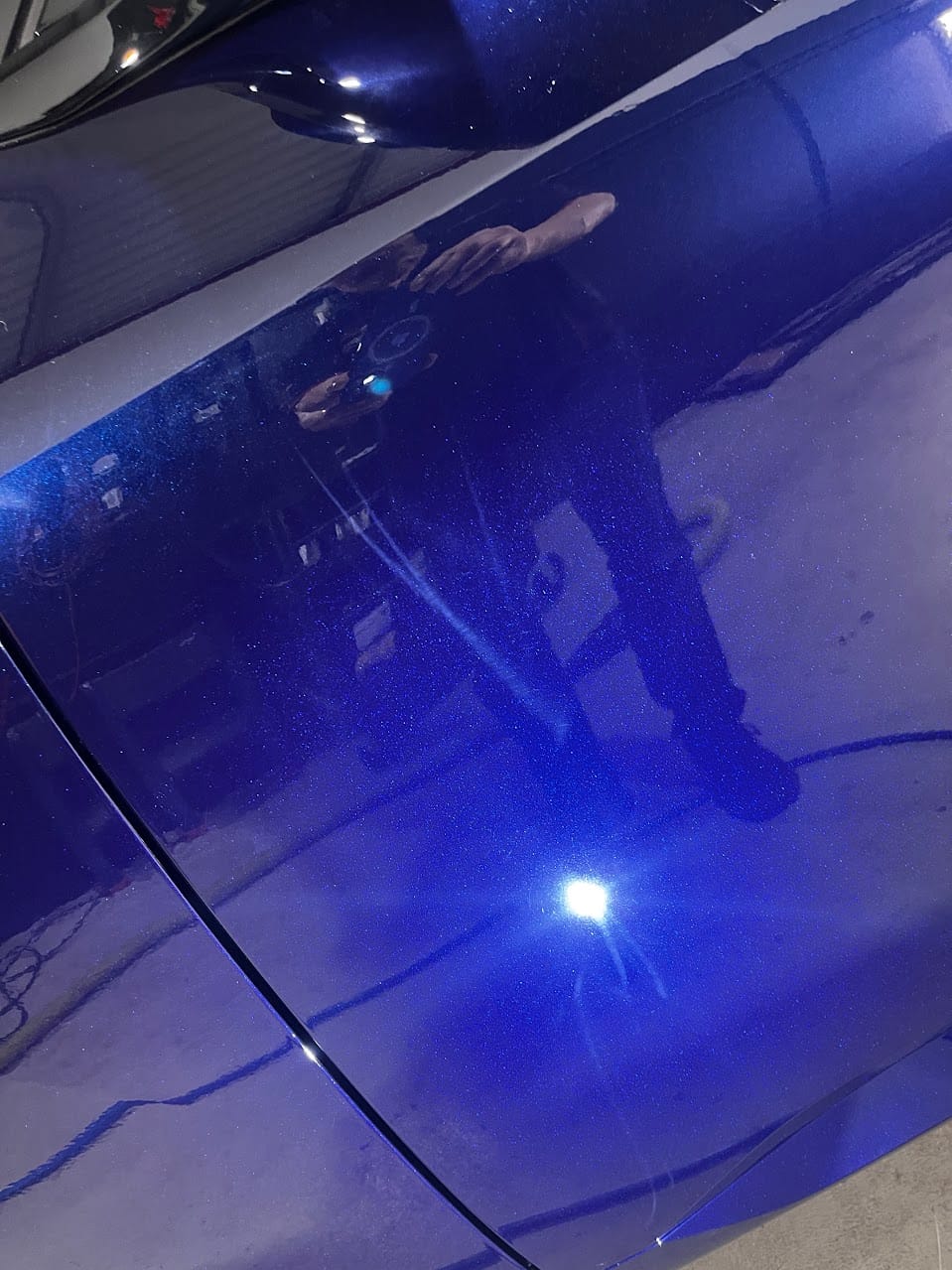
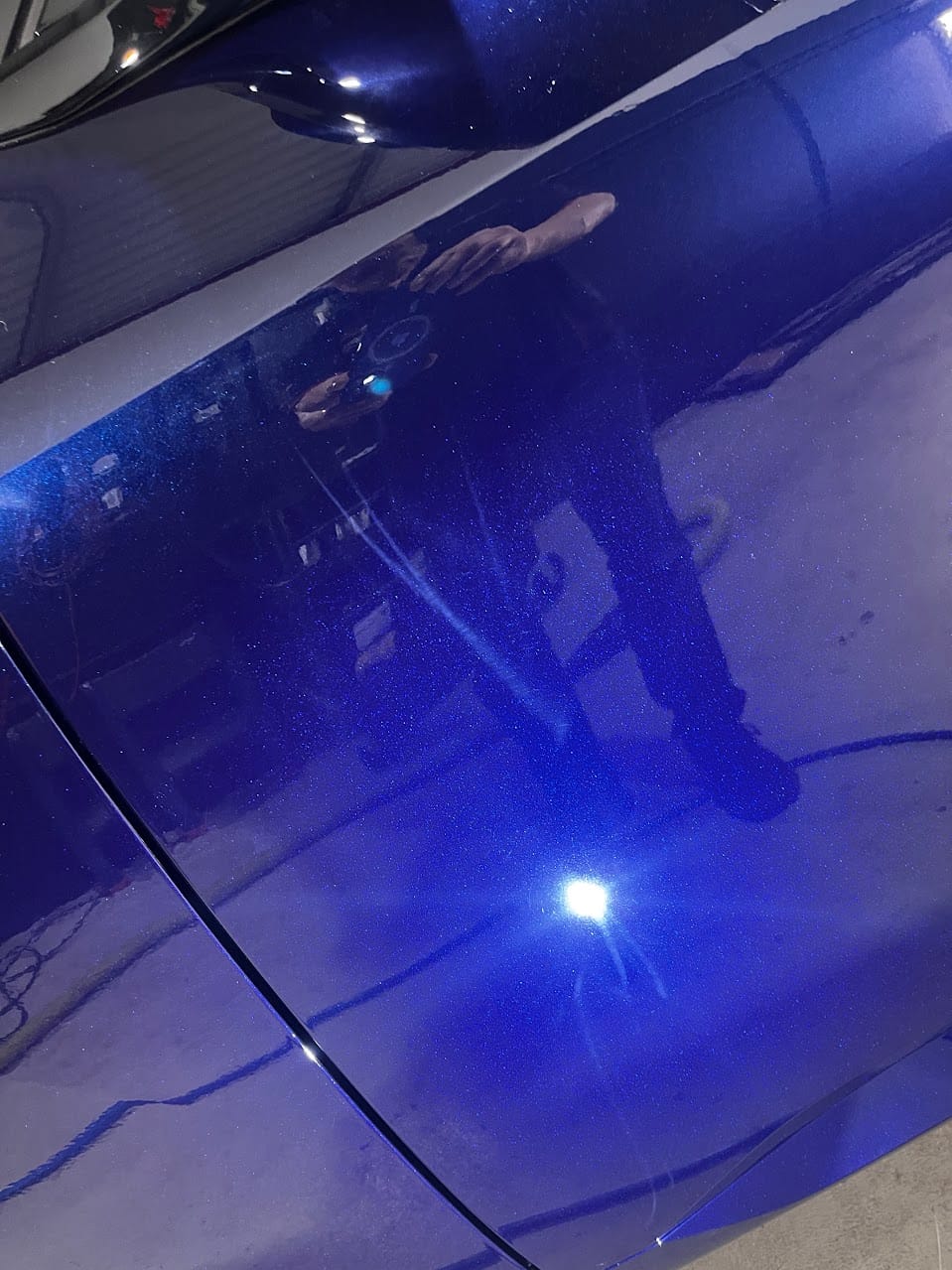
The real issue was the preparation underneath the coating. There were scratches still visible through the finish, machine-polishing holograms and buff marks across the paint, while the gloss-black trims were already heavily swirled. Brett had bought a new vehicle and understandably expected the paint and trims to present much better than they did.
After showing us the condition of the BMW, he asked us to book it in. Our next suitable booking was more than three weeks away, but Brett was prepared to wait because his priority was having the job repaired properly. He was not looking for the cheapest option or another quick coating application over the same defects.
The Coating Was Not The Main Problem
It would be easy to describe this as a dealership coating failure, but that would not be an accurate explanation of what we found. The coating appeared to have been applied reasonably well. The problem was that scratches, holograms and other defects had not been properly corrected before the coating was installed.
A ceramic coating follows the condition of the surface underneath it. It can increase gloss, slickness, reflections and water behaviour, while also giving the paint a bonded protective layer that makes future cleaning and maintenance easier. What it cannot do is remove scratches, repair machine marks or hide poor paint preparation.
Once the coating is applied, any defects that were left behind are still visible. In some lighting, the extra gloss can make those defects stand out even more clearly. That is why the quality of the correction and preparation before coating is so important.
Brand-New Cars Can Still Need Paint Correction
There is a common assumption that a new car should only need washing and coating because the paint has not had time to become damaged. In practice, new vehicles can collect marks during factory handling, transport, storage, dealership washing, pre-delivery preparation and machine polishing before the customer receives them.
Some new cars arrive in excellent condition and need only light preparation. Others have wash marks, sanding marks, scratches, buffer trails or holograms that need to be corrected before protection is applied. The age of the vehicle does not tell us how much preparation it needs; the condition of the paint does.
This BMW was a good example of why I prefer to inspect every vehicle properly rather than assume that a new car is automatically ready for coating.
Scratches, Holograms and Buff Marks
Under our workshop lighting, the defects were much easier to see. There were scratches across the painted surfaces and machine-polishing marks that created the hazy, curved appearance commonly described as holograms or buffer trails.
These marks normally come from rotary polishing or an incomplete machine-polishing process where the paint has not been refined properly afterwards. They can sometimes look less obvious in soft daylight or inside a dealership, but direct sunlight and stronger workshop lighting tend to expose them very quickly.
The concern was not only that the marks were visible on a new car. They had also been coated over, which meant the coating had to be dealt with before the paint could be properly corrected and prepared again.
The Gloss-Black Trims Needed Considerable Work
The gloss-black trims were among the most heavily marked areas of the vehicle. These surfaces can look very sharp when they are clean and well finished, but they are often softer and easier to scratch than the surrounding painted panels.
Even careful washing can eventually introduce light marks into gloss-black trim, but on this BMW the level of swirling was not what Brett expected to see on a newly delivered vehicle. Correcting these areas took patience because they needed to be improved without creating unnecessary heat or removing more material than required.
The trims form a noticeable part of the BMW’s appearance, so correcting the main painted panels while leaving the black surfaces heavily marked would not have produced a properly balanced result.
More Than 20 Hours Of Paint Correction
Brandon spent well over 20 hours correcting the main paintwork and gloss-black trims. This was not 20 hours spent chasing an unrealistic idea of perfection. It was the time needed to remove or substantially reduce the defects, refine the finish properly and give the new coating a surface worth protecting.
The correction process involved working through the affected areas carefully, checking the finish under suitable lighting and refining the paint until the holograms and machine marks were no longer dominating the appearance of the vehicle. The softer gloss-black areas also needed their own approach rather than simply being treated in exactly the same way as the painted panels.
The paint-correction component alone was worth well over $1,500 before the replacement ceramic coating was added. That is a considerable amount of corrective work for a brand-new car, but it also reflects how much labour was required to repair a finish that should ideally have been prepared properly before the first coating was installed.
Paint Correction Creates The Finish
The way I normally explain this is that paint correction creates the clarity, gloss and reflections, while ceramic coating adds protection over the finish that has already been prepared.
Machine polishing permanently refines the clear-coat surface by removing or reducing defects and improving the way light reflects from the paint. Once that surface has been properly corrected, a ceramic coating adds its own glass-like finish, increasing slickness, gloss, depth and water behaviour while protecting the corrected paint from normal environmental exposure.
Without that correction stage, the coating may still protect the vehicle, but it is protecting scratches, haze and machine marks along with the paint. This BMW already demonstrated that point very clearly.
Why Brett Chose To Wait
Brett could have looked for another business with an earlier booking or chosen a less expensive repair, but that was not what he wanted. He had already paid for coating once and remained disappointed because the finish underneath had not been completed to the standard he expected.
He was prepared to wait more than three weeks because he wanted the BMW inspected, corrected and recoated properly. For us, that makes the conversation much easier because the customer understands that the time is being spent on the finish rather than only on the final product application.
There will always be cheaper coating packages available, particularly when very little correction is included. The difficulty is that a lower price does not help much if the customer continues to see scratches, holograms and swirls every time the vehicle is parked in the sun.
Preparation Has To Suit The Individual Vehicle
Not every new BMW will need more than 20 hours of correction, and I would not suggest that level of work unless the condition justified it. Some vehicles need only light machine polishing before coating, while others need much more because of previous preparation, transport damage, dealership handling or repair work.
The correct amount of preparation cannot be decided from the model, age or purchase price alone. It needs to be based on what is actually visible in the paint and what standard the owner wants to achieve.
This is also why a proper coating quote can vary. The coating product may be the same, but the preparation required before it goes on can be completely different from one vehicle to another.
Applying The New Ceramic Coating
Once the paint and main trims had been corrected and refined, the BMW could be prepared for its new ceramic coating. At this point the coating was being applied over a much cleaner and more consistent finish, rather than being expected to disguise problems that should have been dealt with beforehand.
The new coating added a tough bonded layer over the corrected surface and increased the gloss, clarity, reflections and slickness of the finished paint. More importantly, Brett could now look at the vehicle in direct lighting without the original holograms and heavy trim swirling taking away from the appearance.
The coating will still need sensible aftercare and safe washing. It will not make the BMW scratch-proof or remove the need for maintenance, but it now has a properly prepared foundation and a much better chance of presenting well over time.
A New Car Coating Should Begin With Inspection
This job is a useful reminder that choosing a ceramic coating package should begin with an inspection of the paint, not only a discussion about coating brands or warranty periods.
The condition underneath is what determines whether the vehicle needs a basic preparation, a light enhancement or a more involved paint correction. Skipping that assessment can save time and money at the beginning, but it may leave the owner disappointed once the vehicle is seen in stronger sunlight.
I would rather explain that a new car needs more preparation than expected than apply coating over defects and hope the customer does not notice them later.
AutoFX WA BMW Paint Correction and Ceramic Coating Perth
AutoFX WA provides paint correction and ceramic coating from our O’Connor workshop for new, used, daily-driven and enthusiast vehicles. Each vehicle is inspected individually because even two new cars of the same model can arrive with very different paint conditions.
For more information about improving scratches, holograms, haze and swirl marks, visit our Paint Correction Perth page. For current coating options and preparation information, visit our Ceramic Coating Perth page.
Final Thoughts
This 2026 BMW X3 M50 did not need another coating applied quickly over the existing finish. It needed the scratches, machine marks, holograms and heavily swirled gloss-black trims to be corrected first.
The original coating application was not necessarily the problem. The preparation before it had simply not been carried far enough to produce the finish Brett expected from a brand-new premium vehicle.
After waiting more than three weeks for the booking, Brett received well over 20 hours of paint and trim correction before the BMW was coated again. The job cost considerably more than a basic new-car coating package, but his priority was the quality of the result rather than finding the lowest price.
For me, that is the main point of this job. Preparation creates the clarity and shine, while the ceramic coating adds bonded protection, gloss, reflections, depth and easier maintenance over the finish that has already been properly prepared.